Alright, let’s dive in – figuring out where to find a CNG Standard Station that actually works (and isn’t just a random pump with a gas hose stuck on it) can feel like hunting for a needle in a haystack, especially if you’re new to the natural gas vehicle (NGV) game. As someone who’s been supplying CNG standard stations for over a decade (no, I’m not some faceless corporate guy – I’m the dude who troubleshoots pump issues at 2am for my clients), I’ve seen too many people waste time and cash on subpar stations that break down mid-fill. So let’s cut the crap and break this down step by step. CNG Standard Station
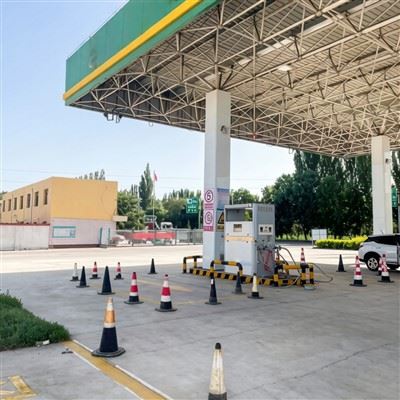
First off, let’s get one thing straight: a “CNG Standard Station” isn’t just a spot that sells compressed natural gas. It’s a station that meets the NFPA 52 standard (that’s the National Fire Protection Association code, for the uninitiated) – no sketchy wiring, no outdated storage tanks, no pumps that spit out inconsistent pressure. If a station doesn’t follow NFPA 52, it’s a fire hazard, full stop. Now, where do you actually find these?
Let’s start with the obvious: government and fleet depots. Wait, hear me out – most public CNG stations are actually built by local or state governments for their own trash trucks, buses, and fleet vehicles. For example, if you’re in the US, check your state’s Department of Transportation (DOT) or Department of Environmental Quality (DEQ) website – they almost always have a map of certified public CNG stations. I’ve helped set up stations for city fleets in Ohio and Texas, and those are the most reliable because the government has to adhere to strict safety rules. They’re also usually open to the public, which is a bonus. Don’t sleep on county waste management facilities either – a lot of them built CNG stations to cut their fuel costs, and they’ll let private cars fill up for a lower price than private stations.
Next up, NGV network apps and sites. You’ve probably heard of apps like NGV America or NGVAmerica’s station locator – that’s not a random list, that’s curated. NGVAmerica is the trade group for natural gas vehicles, so they only list stations that meet the minimum safety and performance standards. I send every new client to that locator first when they’re scouting stations to use for their own fleet or for retail. The cool part? You can filter by “Standard Station” – most filters on there let you sort by whether the station uses NFPA 52 equipment, has fast fills, or even if it’s a public vs private site. I once had a client in Arizona who almost pulled into a random station until we checked the NGVAmerica locator and saw it wasn’t certified – saved them from a $2k repair bill when their truck’s fuel injector got clogged from bad gas.
Then there’s private retail stations, but you have to vet these. A lot of truck stops are adding CNG pumps now, but not all are standard. The good ones – like Pilot Flying J’s CNG locations – use certified equipment, but the smaller, one-off truck stops? Not so much. If you’re looking for a standard private station, check if the owner uses the same equipment I supply: Skid-mounted CNG units, type 1 steel storage tanks, and digital pressure regulators. If they don’t know what any of that is, walk away. I once spoke at a trucking conference in Oklahoma where a small fleet owner told me he used a private station that was 10 years old, no maintenance, and his trucks were breaking down every other week – turns out the owner never replaced the filter in the pump, which is part of the standard station requirements.
Wait, what if you’re looking to set up your own CNG standard station instead of using an existing one? A lot of people message me about that too. If that’s you, here’s the tea: you can’t just put a pump in your backyard. You need to get permits from your local fire marshal, your state’s pipeline safety agency, and if it’s a public station, you have to register with NGVAmerica. And if you’re buying a station from a supplier (cough, cough, me), make sure it’s certified by the Compressed Natural Gas Vehicle Standards Board (CNGVSB) – that’s the seal that means it meets the standard. I’ve had clients buy cheap stations from overseas that didn’t have that seal, and they ended up getting a $15k fine from OSHA because they were operating an unsafe station.
Another spot: industrial parks and manufacturing facilities. A lot of factories use CNG for their own forklifts or backup generators, and they’ll sometimes let NGV drivers fill up for a small fee. These are often standard stations because they have to comply with OSHA and NFPA 52 to keep their workers safe. I work with a steel mill in Pennsylvania that has a CNG station for their 50 forklifts, and they let local NGV owners fill up for 10 cents cheaper than public stations. Just be nice – call ahead, don’t block the loading docks, and they’ll usually say yes.
Now, let’s talk about how to spot a fake standard station, because there are a lot of them. First, check the pressure: standard CNG stations should dispense 3,600 psi (pounds per square inch) – anything less, and it’s not a standard station. Second, look for safety signs: NFPA 52 requires stations to have warning signs about high pressure, fire hazards, and emergency shutoff buttons. If a station has no signs, or just a random “No Smoking” sticker, skip it. Third, check the maintenance logs. A real standard station will have a log book (or digital record) of monthly filter changes, tank inspections, and pump calibrations. If the attendant can’t show you that log, or says “we don’t need that,” leave. I once had a client in Florida who used a station that had no maintenance records, and their truck’s fuel system failed – cost them $3k, and they had to tow it 50 miles to the nearest certified shop.
Wait, what about international folks? No judgment, I’ve worked with clients in Canada and parts of Europe too. In Canada, check with the Natural Gas Vehicles Canada website – they have a similar locator, and all stations there meet Canada’s CSA B149 standard, which is the equivalent of NFPA 52. In the EU, look for stations with the “CNG Safety” label from the European Committee for Standardization (CEN). Same rules apply, just different labels.
Now, if you’re someone who’s tired of scouting stations and wants to set up your own CNG standard station for your fleet or even for retail, here’s the thing: I supply turnkey standard stations, not just parts. I handle all the permitting, the installation, and the certification, so you don’t have to deal with the headache of fire marshal inspections or OSHA fines. A lot of clients come to me because they tried to set up a station on their own, spent $20k, and got denied a permit – I fix that for them. For example, a delivery company in Illinois came to me last year, they had a small fleet of 20 trucks, and they wanted to cut their fuel costs. They tried to buy a cheap station online, but it didn’t meet NFPA 52. I supplied them with a standard skid-mounted station, handled all the permits, and got them up and running in 6 weeks – their fuel costs went down 35% in the first month. That’s the stuff that works.
Let me wrap this up: the key points for finding a CNG standard station are: 1) Use NGVAmerica’s locator, that’s the most curated list. 2) Government and fleet depots are your best bet for reliable, low-cost fills. 3) Vet private stations for safety seals, pressure, and maintenance logs. 4) If you want to set up your own, work with a supplier who knows the standards, not just someone selling a pump.

If you’re ready to talk about setting up a CNG standard station – whether it’s for your fleet, your business, or even as a retail site – hit me up. I’d be happy to walk you through the process, answer your questions, and give you a straight quote without the corporate jargon. No pressure, just honest advice.
CNG Standard Station References:
- National Fire Protection Association (NFPA 52): Standard for Compressed Natural Gas (CNG) Vehicular Fuel Systems
- NGVAmerica: Station Locator & Certification Guidelines for CNG Stations
- U.S. Department of Transportation (DOT): Pipeline and Hazardous Materials Safety Administration (PHMSA) CNG Station Safety Requirements
- Compressed Natural Gas Vehicle Standards Board (CNGVSB): CNG Station Certification Specifications
- Natural Gas Vehicles Canada: CSA B149 Natural Gas and Propane Installation Code for CNG Stations
Qingdao Lenado Intelligent Equipment Co., Ltd.
Qingdao Lenado Intelligent Equipment Co., Ltd. is one of the most experienced CNG standard station manufacturers and suppliers in China. We have world-leading production equipment and strong manufacturing capabilities. Please rest assured to wholesale bulk customized CNG standard station from our factory.
Address:
E-mail: genkegasstation@163.com
WebSite: https://www.cnggasstation.com/
