Hey everyone, let’s talk about something I get asked all the time as a Walk In Cold Room supplier—can those cold rooms we sell actually work in labs? I’ve been doing this for almost a decade now, and I’ve seen way too many lab managers go the cheap route with small, under-designed refrigerators or freezers, only to run into problems that cost them way more in the long run. Let’s break this down straight, no fancy jargon, just real talk about whether a walk-in cold room is a good fit for your lab. Walk In Cold Room
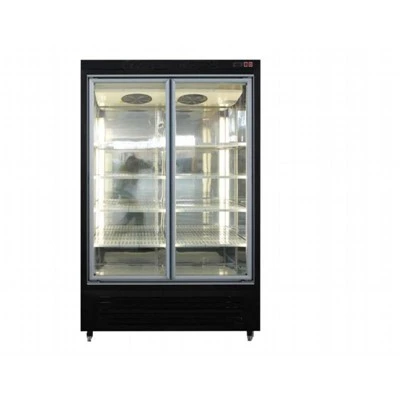
First, let’s get one thing straight: what do labs actually need from cold storage? It’s not just “cold stuff.” Most labs are dealing with sensitive samples—cell cultures, reagents, vaccines, DNA samples, maybe even small batch biopharma products. Those things can’t handle temperature swings, right? A fridge that drops to 2°C one minute and jumps to 8°C the next because someone opened the door and left it ajar for 10 minutes? That’s a surefire way to ruin months of work. Walk-in cold rooms (we call them WICRs around here) are built for consistent, stable temperatures, which is a big win for lab use.
Wait, but hold on—can they get the right temperatures? Labs don’t just need one temp. You’ve got refrigerated storage (usually 2–8°C for reagents, media, etc.) and freezer storage (which is either -20°C for general samples or -80°C for super-sensitive stuff like viral samples or long-term DNA storage). A lot of people think WICRs only do refrigeration, but no—we can design them with modular temperature zones. I’ve installed systems where half the room is 4°C for lab supplies, and a section is a dedicated -20°F no—wait, -20°C, right, for frozen samples. Some even have a separate -80°C enclosure if that’s what the lab needs. That flexibility is huge because most small lab setups only have a couple of fridges and freezers, which run out of space fast. I had a customer last year at a university microbiology lab—they were using 5 regular lab freezers that were always breaking down, and they only had space left for one more. We put in a 10×10 WICR with a -80°C zone, and now they fit all their samples in one spot, no more cramming.
Now, let’s talk about the practical side, because labs are busy places. Lab personnel aren’t refrigeration technicians—they need cold storage that’s easy to use, secure, and compliant. Speaking of compliance, that’s a big one for labs. A lot of regulated industries (pharma, clinical labs, academic research that’s NIH-funded) need to track temperature 24/7, right? WICRs have way better monitoring systems than regular lab fridges. They can log temp every 10 seconds, send alerts to your phone if it drops too low or spikes, and have audit trails that you can use for inspections. A regular lab fridge might have a basic thermometer, but if you miss a temp swing because you only check it once a day, that’s a problem for compliance. I had a clinical lab customer who almost failed an FDA audit because their old fridges didn’t have reliable temp logs. They switched to our WICR, and now their audit trail is actually one of the things the inspectors ask to see first.
But wait, what about space? A lot of small labs think “walk-in” means it has to be huge, like 20×20 or something. No way—we make WICRs in all sizes, from 6×8 (that’s smaller than most offices) up to whatever you need. A 6×8 is perfect for a small startup lab that just needs to store a few thousand reagent vials and a stack of samples. You can even have them built to fit into unused corners or even adjacent to existing lab space if you don’t have a lot of room. That’s another win over regular freezers—stacked lab freezers take up vertical space, but a walk-in uses floor space efficiently, and you can add storage racks to make the most of every inch.
Now, let’s get real about the downsides, because I don’t want to sell you something that’s not a fit. WICRs aren’t for every lab. If you’re a tiny lab with only 100 samples and you just need a small fridge for day-to-day use, a walk-in is overkill. They have higher upfront costs than a standard lab fridge, and if you’re only using it for small, low-volume stuff, that extra cost doesn’t make sense. Also, they need proper power—you can’t plug them into a regular 110V outlet, most need a dedicated 220V line, and if your lab has old wiring, you might need to upgrade that, which adds cost. But for labs that are growing, or that have a lot of sensitive samples, that upfront cost pays off in less equipment breakdowns, less sample loss, and better compliance.
Another thing I hear a lot: “My lab has a back-up generator, so what happens if the power goes out?” That’s a valid concern, especially for freezers. The good news is we can add back-up power systems to WICRs—either a small generator that kicks on within 30 seconds of a power outage, or even battery back-ups for smaller rooms. I had a customer in a rural lab last winter where the power went out for 12 hours during a snowstorm. Their old freezers all warmed up, but the WICR with back-up kept their -80°C samples cold the whole time. They told me that saved them $50k worth of research samples, easy. That’s a big difference between a WICR and a regular fridge—regular fridges don’t handle power outages nearly as well, because their compressors are smaller and don’t have the same insulation.
Wait, let’s talk insulation, because that’s where the science part comes in. WICR panels are made with thick polyurethane foam insulation, right? That’s way better than the thin foam in a regular lab fridge. That means less temperature fluctuation, less energy use, and consistent temps even when the door opens a dozen times a day. Lab personnel are always opening and closing cold storage to get samples, so good insulation is non-negotiable. I’ve tested this myself—when a regular lab fridge is open for 2 minutes, the temp inside jumps 5°C. A WICR with proper insulation? It might jump 1°C, and it settles back down way faster. That’s not just convenient—it means your samples aren’t being exposed to unstable temps, which can damage cell lines or degrade reagents over time.
Also, customization. Labs have weird needs sometimes, right? Maybe you need a secure lock on the door for controlled substances, or a dedicated section for biohazard samples that can be isolated, or even a stainless steel interior that’s easy to sanitize (super important for BSL-2 labs). We can design all that. I installed a WICR last year for a pharmaceutical lab that needed a separate compartment for temperature-sensitive drugs that had to stay between 2–8°C, and another for samples that needed to be -20°C. They also added a touchscreen control panel right outside the door, so their researchers can check the temp without opening the door. That’s the kind of custom stuff that regular lab fridges can’t do.
Now, let’s address the elephant in the room: energy use. A lot of people say “walk-ins are way more expensive to run.” But wait, modern WICRs are way more efficient than the old ones from 20 years ago. We use inverter compressors that adjust their power based on how much cooling you need, so if the door is only open a few times an hour, the compressor runs at a lower speed. Also, the insulation is way better now, so you’re not wasting energy trying to keep cold air in. I do a side-by-side comparison with a customer last year: their three lab freezers used 1,200 kWh a month total, and our WICR used 850 kWh. That’s a 30% savings right there. Plus, less breakdowns mean less repair costs—those old lab freezers can cost hundreds a month in repairs, and WICR parts are standard, so repairs are cheaper too.
Wait, what about when you’re working inside the cold room? Yeah, that’s a thing. A lot of labs need to do prepping work on samples right in cold storage—like processing blood samples or cell cultures that can’t warm up. WICRs are big enough for one or two people to work inside, with proper ventilation so you don’t get too cold (we install small circulators that keep air moving, so it’s not just a block of cold air standing still). I’ve had researchers tell me they prefer working in the WICR over the small lab fridges because they have more space to move around, can lay out samples on racks, and don’t have to run back and forth between the lab bench and the fridge. That’s a productivity win, which is something a lot of lab managers overlook.
But let’s make sure we’re not ignoring the real risks. If you don’t get a WICR designed for lab use, you can run into problems. For example, some people buy generic walk-in cold rooms meant for restaurants, which only go down to 0°C, not -20 or -80. That’s a big mistake—restaurant WICRs aren’t built for the sub-zero temps labs need, and their monitoring systems aren’t compliant with lab regulations. Also, if you don’t install it right—like if the panels aren’t sealed properly—you’ll get condensation, which can damage samples or grow mold. That’s why you need a supplier that knows lab needs, not just restaurant needs. I train all my installers on lab specific requirements, like proper sealing around electrical components for biohazard labs, and compliance with FDA and CDC guidelines for temperature storage.
So, putting it all together: yes, a walk-in cold room can absolutely work in a lab, as long as you get the right size, the right temperature zones, and a system built for lab needs. It’s not for every tiny lab, but for labs with growing sample volumes, compliance requirements, or a need for stable temperature storage, it’s way better than a bunch of small fridges and freezers. The benefits—consistent temps, reliable monitoring, flexible space, back-up power options—far outweigh the upfront and operating costs when you’re dealing with valuable research samples or regulated products.
If you’re a lab manager, researcher, or facilities person who’s tired of dealing with unreliable lab fridges, sample loss, or failing inspections, let’s chat. I can walk you through sizing, temperature needs, and what features make sense for your specific lab—no sales pitch, just straight talk about what will work for you. Don’t let your cold storage hold your work back. Reach out, and we can put together a custom walk-in cold room that fits your lab’s needs.
Assembled Curved Frameless Door References
- Food and Drug Administration. (2022). Temperature Control Guidance for Human Cell, Tissue, and Gene Therapy Products. U.S. Department of Health and Human Services.
- National Institutes of Health. (2021). Guidelines for the Storage and Handling of Biological Samples in Research Laboratories. Office of Research Services.
- International Organization for Standardization. (2019). ISO 23585:2019, Biological specimens—Storage requirements for biological samples.
- Centers for Disease Control and Prevention. (2020). Biosafety in Microbiological and Biomedical Laboratories (BMBL) 6th Edition. U.S. Department of Health and Human Services.
- American Society of Heating, Refrigerating and Air-Conditioning Engineers. (2022). ASHRAE Standard 170, Ventilation for Health Care Facilities.
Coste Glass Door Co., Ltd.
As one of the most professional walk in cold room manufacturers and suppliers in China, we’re featured by quality products and good price. Please feel free to wholesale bulk walk in cold room in stock here and get quotation from our factory. Customized orders are welcome.
Address: 41/47, VILLAGE NO.5 KHOK KRABUE SUBDISTRICT MUEANG SAMUT SAKHON DISTRICT ,SAMUT SAKHON PROVINCE 74000 ,Thailand
E-mail: Alicezhou@shhag.com
WebSite: https://www.costeglassdoor.com/
