Hey everyone, thanks for swinging by my little corner of the web— I’m Jake, and I’ve been running this galvanized steel supply operation for over a decade now. I get a ton of questions from contractors, fabricators, and even small business owners lately: “Is galvanized steel actually eco-friendly?” “What’s the real environmental impact of zinc coating steel anyway?” Galvanized Steel
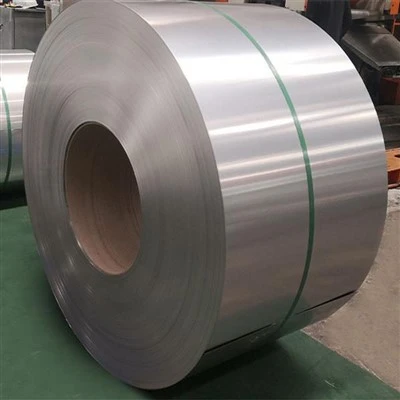
Look, I get it. These days, everyone’s hyper-focused on their carbon footprint, and when you’re spec’ing materials for a project—whether it’s a fence, a commercial building frame, or even a bridge—you don’t just want something strong and cheap. You want something that doesn’t leave a mess on the planet. And as someone who’s knee-deep in hot-dip galvanizing tanks and inventory racks every single day, I’m not just here to sell you steel; I’m here to be real about what this process does (and doesn’t do) for the environment.
First, let’s cut through the basic stuff everyone kind of knows: galvanizing is just coating steel with a layer of zinc to stop it from rusting. Rust is steel’s worst enemy—if left unprotected, a steel beam might corrode so bad in 20 years it’s useless, or a fence could turn to crumbly garbage in a few rainy seasons. Zinc acts like a shield, right? But it also does something super cool called cathodic protection—even if the zinc coating gets scratched, the zinc will corrode before the steel underneath does. That’s why galvanized steel lasts way longer than plain steel, and that longevity is the biggest environmental win here, in my book.
Wait, let’s back up to the actual galvanizing process, because that’s where most of the environmental talk gets messy. The standard method is hot-dip galvanizing, which is what we use at our shop (no fancy electroplating here, just good old-fashioned tanks of molten zinc heated to like 840 degrees Fahrenheit). The steps are: clean the steel to get rid of all oil, grease, and mill scale (the flaky gunk from when steel is made), pickle it in a weak acid bath to strip off any leftover rust, flux it to make sure the zinc sticks, then dip it in that molten zinc for a few minutes, pull it out, let it cool, and send it off.
Now, let’s talk about the bad stuff first—no sugarcoating. When I started in this industry, we didn’t have half the pollution controls we do now, but even today, there are real environmental hits from the process. The big one is energy use. Heating those giant zinc tanks? It takes a ton of natural gas or electricity, depending on where you’re based. We’re in the Midwest, so we use a mix of natural gas (for the furnaces) and grid power, but let’s be honest—energy means burning fossil fuels a lot of the time, which pumps out CO2, that big culprit for climate change.
Then there’s waste from the chemicals. The pickle baths (usually hydrochloric or sulfuric acid) can get contaminated with iron from the steel over time, and flux sludge builds up too. If that stuff isn’t treated right, it can leach into soil or water—iron from my time as a supplier, I’ve seen a few operations cut corners on waste disposal and get fined hard for it. Also, zinc fumes when you dip the steel? Yeah, those aren’t great for air quality if they’re not filtered. OSHA watches us like a hawk for worker safety, but environmental regulations around air emissions have gotten way stricter in the last 15 years, and for good reason.
But here’s the thing most people don’t tell you: the environmental downsides of galvanizing are way smaller than the alternatives. Let’s compare it, for example, to painting steel or using stainless steel. If you paint steel, you’re dealing with VOCs (volatile organic compounds) from the paint that off-gas for years, and even the best paint job will chip, peel, and need reapplication every 5 to 10 years. That means more paint, more chemicals, more waste from stripping old paint and repainting—way more over the life of a structure. Galvanized steel, on the other hand, can last 50, 75, even 100 years in outdoor conditions with almost zero maintenance. I supplied a fence for a horse farm back in 1998, and when I checked on it last year, it looked almost new—no rust, no peeling, no need for a single can of paint.
And what about that zinc coating? It’s not some rare, toxic metal—zinc is actually the 24th most abundant element in the Earth’s crust. Way more available than, say, the chromium used in some other metal coatings, or the nickel in stainless steel. Also, it’s 100% recyclable. Every last bit of scrap galvanized steel, every leftover coating, even old structures made from galvanized steel? We can melt that zinc right off, reuse it over and over again, no loss in quality. I send all our factory scrap to a metal recycler in Detroit, and they told me that galvanized steel has a recycling rate of like 95%—way higher than most other construction materials, including aluminum (which is around 70%) or plastic (like 9%). That’s a huge win for circular economy stuff, right?
Wait, let’s get into the nitty-gritty of emissions now, because I know a lot of you reading this are deep into lifecycle assessments (LCA) — that’s the stuff that architects and engineers use to get green building certifications like LEED. I looked up our shop’s LCA data last quarter, and let me break it down simply. The biggest emissions from our process? Hands down, the energy for heating the zinc. But when you compare that to the emissions from making plain steel, plus the emissions from repainting that same steel over its lifetime, galvanized steel comes out way ahead. One study from the International Zinc Association (IZA) that I reference all the time found that over a 75-year lifespan, galvanized steel generates 30-40% less CO2 than painted steel, and almost half of what stainless steel puts out.
What about those acid baths? Yeah, we have to neutralize the pickle acid before we can dispose of it, or even reuse it—we filter out the iron, sell that iron as a byproduct to concrete manufacturers, and the leftover acid is treated to a neutral pH before it goes anywhere near water systems. Our flux sludge? We send that to a hazardous waste treatment facility that extracts the zinc and reuses it, so almost nothing goes to a landfill. And we’ve got baghouse filters on all our exhaust stacks that catch 99% of the zinc fumes, so the air coming out is clean enough that we test it weekly for state environmental compliance. No cutting corners here—our license to operate depends on it.
I also get questions about galvanizing and marine environments, which makes sense if you’re building docks or coastal structures. Some people worry that zinc leaching into saltwater is bad for fish or coral. From what I’ve seen and what the EPA says, that’s a non-issue when it’s done right. Zinc is actually an essential micronutrient for aquatic life—small amounts are good for them. And the leaching rate from a intact galvanized coating is super slow, like a fraction of a gram per square meter per year. That’s nothing compared to other metal coatings, and studies from the Naval Facilities Engineering Systems Command found that galvanized pilings in the Gulf of Mexico had no negative impact on local fish populations after 20 years of use.
Wait, let’s address some myths I hear all the time. First, “galvanizing is bad because it uses zinc, which is a heavy metal.” Look, any metal can be a problem in high concentrations, but zinc is safe at normal levels, and the way we use it in galvanizing means almost no excess gets into the environment. Second, “there are better alternatives now.” Yeah, there are—like powder coating or galvannealing (which is a mix of galvanizing and heat treatment), but they still have their own environmental tradeoffs. Powder coating uses more energy, and when it chips, it’s plastic waste, not zinc that can be recycled. Galvannealing has similar energy costs to hot-dip, but the coating is more brittle and might not last as long in harsh climates.
Another big point: galvanizing is way more labor-efficient than a lot of other metal protection methods, which means less human error, less rework, less waste from botched jobs. I’ve had fabricators come to us because they tried powder coating a big steel beam, and half the coating didn’t stick, so they had to strip it and start over—wasting time, money, and material. With hot-dip galvanizing, as long as the steel is prepped right, the coating sticks almost every time. That reduces overall material waste, which is huge for the environment too—making steel itself is super energy-intensive, so wasting it just adds to your carbon footprint.
Now, I’m not here to say galvanizing is perfect. No industrial process is. We still work every day to cut our energy use—we installed new high-efficiency burners on our zinc tanks last year, and that cut our natural gas use by 18%. We also switched to a closed-loop pickle acid system, which means we reuse 90% of our acid instead of buying new every month. That’s cut our chemical waste by like 75% in two years. Small steps, but they add up, and it’s the responsible thing to do for both the planet and our business.
If you’re a project manager or a builder trying to make eco-friendly choices, here’s what I want you to take away: galvanized steel isn’t a “green material” in the same way solar panels are, but it’s one of the most sustainable construction metals you can use because of its insane longevity and recyclability. The upfront environmental costs of the galvanizing process are way outweighed by the long-term savings from not having to replace materials, not having to use toxic paints, and not generating years of waste from maintenance.
I’ve been in this game long enough to see trends come and go—people were all about aluminum a decade ago, then stainless, now everyone’s talking about cross-laminated timber. But galvanized steel is still the workhorse of construction, and the reason it’s stuck around is because it works, it’s cost-effective, and when done right, it’s way better for the planet than most alternatives.

If you’re working on a project right now and you want to talk about spec’ing galvanized steel, or if you have questions about the environmental side of things (or even just need a quote), I’m here. I’ve got a team that knows every part of this process, from the molten zinc tanks to the recyclers we partner with, and I can walk you through how galvanized steel fits into your project’s sustainability goals. Don’t hesitate to reach out— we can chat through whatever you need.
Stainless Steel References
- International Zinc Association. (2022). Life Cycle Assessment of Hot-Dip Galvanized Steel vs. Alternative Corrosion Protection Methods.
- U.S. Environmental Protection Agency. (2021). Hot-Dip Galvanizing Process Waste and Emissions Guidelines.
- Naval Facilities Engineering Systems Command. (2020). Marine Environmental Impact of Galvanized Steel Structures in Coastal Environments.
- American Iron and Steel Institute. (2023). Steel Recycling Rates and Circular Economy Metrics for Construction Materials.
Wuxi Jin Ming Jian De Industry & Trade Co., Ltd.
Wuxi Jin Ming Jian De Industry & Trade Co., Ltd. is one of the most professional galvanized steel manufacturers and suppliers in China, also supports customized service. With abundant experience, we warmly welcome you to wholesale CE approved galvanized steel in stock here from our factory. If you have any enquiry about quotation, please feel free to email us.
Address: 2102-2105, Yuexing Building, Guangnan Road, Liangxi District, Wuxi City, Jiangsu Province, China.
E-mail: info@wxjmjdss.com
WebSite: https://www.jmjdsteelexp.com/
