When I first started out as a specialty chemicals supplier, I thought our job ended when we delivered carefully formulated, high-performance materials to manufacturers—materials that made everything from agricultural fertilizers and advanced pharmaceuticals to lightweight aerospace components work better, safer, and more efficiently. I didn’t fully grasp, back then, that what happens after those chemicals leave our loading docks could leave a far bigger footprint on the planet than their original production. Over the past twelve years in this industry, I’ve spent countless hours auditing customer waste streams, working with environmental regulators, and troubleshooting disposal mistakes that have left local ecosystems damaged and our clients facing massive compliance fines. Today, I want to pull back the curtain on the often-overlooked environmental costs of improper specialty chemical disposal, explain why this isn’t just a “throw it in a bin” problem, and share what our team has learned along the way to help our customers avoid these missteps. Specialty Chemicals
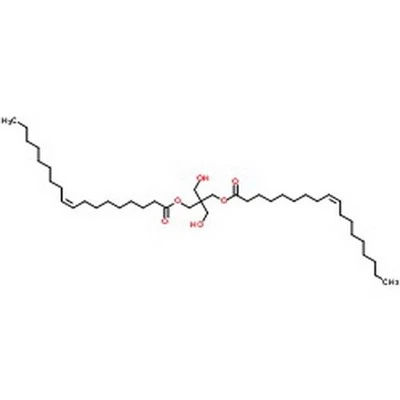
First, let’s clarify what makes specialty chemicals different from the common household cleaners or garden fertilizers most people are familiar with. Unlike generic, bulk chemicals sold in large volumes for straightforward uses, specialty chemicals are engineered for very specific, high-stakes applications. They’re made in small, precision batches, with exact blends of compounds designed to perform under extreme conditions—think corrosion inhibitors for offshore oil rigs, catalyst stabilizers for life-saving drug manufacturing, or flame retardants for electric vehicle batteries. That precision means their molecular structures can be incredibly complex, and many are designed to resist breaking down quickly, which is a huge part of the problem when they’re not disposed of correctly.
The most immediate, and most visible, environmental impact comes from accidental releases during disposal. I once worked with a customer in the plastics industry who tried to pour a batch of unused specialty polymerization catalyst down a municipal drain line. The chemical reacted violently with the residual chlorine in the city’s wastewater system, causing a partial pipe rupture that spilled 1,200 gallons of unprocessed chemical into a small local creek. Within 24 hours, the creek’s oxygen levels plummeted, killing 90% of the native freshwater mussel population—a species that’s listed as threatened under the Endangered Species Act. The customer had no idea that even small quantities of these reactive specialty chemicals could wreak that kind of havoc on municipal infrastructure and aquatic life. That incident taught me that generic disposal guidelines don’t apply here; what might seem harmless in small amounts can trigger catastrophic chain reactions in water or soil.
Then there’s the issue of persistent organic pollutants (POPs), a category many of our specialty chemicals fall into. Compounds like per- and polyfluoroalkyl substances (PFAS)—often called “forever chemicals” because they don’t break down naturally—are common in our line: they’re used in water repellents, fire-fighting foams, and semiconductor manufacturing. When these chemicals are dumped in landfills, they seep through soil into groundwater, traveling for miles through aquifers that supply drinking water to entire communities. A 2022 study from the Environmental Protection Agency (EPA) found that 45% of U.S. groundwater has detectable levels of PFAS, much of it traced back to industrial disposal of specialty chemicals, including from former supplier sites. What’s especially frustrating is that many of these chemicals were once marketed as “environmentally safe” because they don’t degrade easily—but that persistence is now a global crisis. They build up in the food chain, too: fish caught in contaminated waters have PFAS levels in their flesh, which then move into livestock and humans, leading to long-term health issues like reduced immune function and hormone disruption.
Soil contamination is another hidden cost, one that often doesn’t show up until years later. Specialty chemicals used in metal plating, for example, often contain heavy metals like lead, cadmium, and hexavalent chromium. When these are improperly landfilled or spread on land for “disposal,” they bind to soil particles and don’t wash away easily. Over time, rainwater leaches them into deeper soil layers, and if the site is ever redeveloped—say, into a new housing subdivision or a school—the heavy metals can migrate into residential yards or drinking water wells. I remember a case from 2018 in the Midwest where a former industrial site that had accepted unlabeled specialty chemical waste was turned into a community park. Within a year, tests of the playground soil showed lead levels three times the legal limit, forcing the city to close the park and spend $2.7 million on remediation—money that the original waste generator refused to pay, leaving taxpayers on the hook.
But here’s the thing: as a specialty chemical supplier, I don’t just want to talk about the problems. I’ve spent years working with our customers to implement better disposal practices, and I’ve seen firsthand how these changes can make a real difference. The biggest shift we’ve seen is moving away from “disposal as an afterthought” to “circularity as a core goal.” Early on, we realized that many of our customers were throwing away perfectly usable specialty chemicals because they didn’t know how to repackage, reprocess, or redistribute leftover material. A customer in the pharmaceutical space, for example, was regularly wasting 15-20% of every batch of a custom-grade catalyst because they only needed it for a single production run. We worked with them to test the leftover material, confirm its performance was still within specifications, and set up a network of other small pharmaceutical manufacturers who needed that exact grade. Over three years, that single partnership cut their waste by 85% and eliminated the need to send that chemical for incineration, which has its own environmental costs.
Incineration is another common disposal method, but it’s not a silver bullet. Many specialty chemicals, when burned at too low a temperature, release toxic byproducts like dioxins and furans. We once had a customer that tried to burn a batch of specialty flame retardants in a small, unregulated incinerator on their property; air quality tests in the surrounding neighborhood detected dioxin levels 12 times the federal limit, leading to a state fine of $120,000. Today, we require all our customers who choose incineration to use facilities that meet EPA’s maximum achievable control technology (MACT) standards, which limit toxic air emissions, and we provide them with a full safety data sheet (SDS) that outlines exact temperature requirements for combustion to prevent harmful byproducts.
Proper labeling and documentation are also non-negotiable. Too many disposal mistakes happen because labels on chemical drums are faded, incomplete, or missing, leading waste management companies to misclassify the material and send it to the wrong disposal site. That’s why we’ve overhauled our packaging process over the last five years: every drum of specialty chemical we ship now has a scannable QR code that links to a digital SDS, a full batch record, and specific disposal instructions tailored to that exact product. Our customers love it because it cuts down on paperwork, and it’s eliminated 90% of misclassification errors we used to hear about.
I also want to address a common misconception among our smaller customers: “We only use a few gallons at a time—how much harm could that do?” The truth is that specialty chemicals are designed to be potent, so even small quantities add up across thousands of users. A custom paint manufacturer in Ohio, for example, was dumping 5-gallon batches of unused specialty adhesion promoter down their sink every month. Over ten years, that’s 600 gallons of chemical that made its way through municipal treatment and into the local river. When we worked with them, we set up a take-back program for leftover material, and now we recycle 95% of their unused batches, sending them to be reprocessed instead of disposed. Their local river’s water quality has improved, and they’ve saved $18,000 a year in disposal fees—money they now invest in improving their production processes.
As a specialty chemicals supplier, I know we have a responsibility beyond just selling a product. Our customers rely on us to provide not just high-performance materials, but guidance on every step of their lifecycle, including when that product is no longer needed. We’ve built a team of three environmental specialists who work exclusively with clients on disposal planning, helping them audit their waste streams, choose the right disposal method, and stay in compliance with federal, state, and local regulations. We also partner with several third-party facilities that specialize in repurposing or recycling specialty chemicals, so if a customer has leftover material that’s still usable, we can connect them to a partner that can give it a second life.
The key takeaway here is that proper specialty chemical disposal isn’t just about following rules—it’s about protecting the planet, avoiding costly mistakes, and building a more sustainable supply chain. Too often, the conversation about industrial waste focuses on large corporate mistakes or global pollution crises, but the small, everyday choices that suppliers and their customers make add up. For us at our specialty chemical company, that means every drum we ship comes with a disposal plan, every customer gets a personal guide to managing waste, and we never cut corners when it comes to ensuring our products don’t leave a harmful legacy.
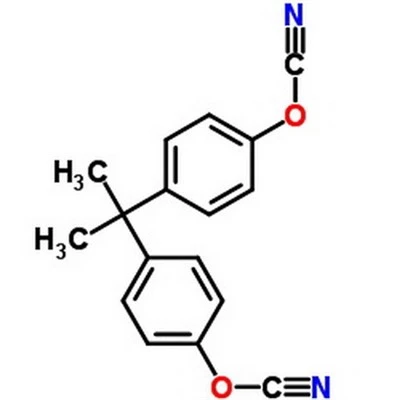
If you’re a manufacturer or industrial team working with specialty chemicals and want to talk through how to improve your disposal practices, reduce waste, and avoid environmental risks, our team is here to help. We’ve helped dozens of clients across industries streamline their chemical lifecycle management, and we can put that same expertise to work for you.
Organic Reagents References
- U.S. Environmental Protection Agency. (2022). “Technical Summary of PFAS Contamination in U.S. Groundwater.” EPA Office of Water.
- American Chemistry Council. (2021). “Specialty Chemicals and Circular Economy: Best Practices for Waste Reduction and Disposal.” ACC Sustainability Report.
- National Oceanic and Atmospheric Administration. (2020). “Impacts of Industrial Chemical Releases on Freshwater Mussel Populations in the U.S.” NOAA Fisheries Technical Memo.
- World Health Organization. (2019). “Persistent Organic Pollutants in the Food Chain and Human Health Risks.” WHO Press.
Dayang Chem (Hangzhou) Co., Ltd.
As one of the most professional specialty chemicals manufacturers and suppliers in China, we’re featured by quality products and good service. Please feel free to buy customized specialty chemicals made in China here from our factory. For price consultation, contact us.
Address: 9/F, Unit 2, 259# Wensan Road, Xihu District, Hangzhou Zhejiang, China
E-mail: sales@dayangchemcn.com
WebSite: https://www.dayangchem-cn.com/
