Hey there! I’m a supplier of home batteries, and I’ve been getting a lot of questions lately about whether a home battery can be used with a grid-resilient system. Well, I’m here to tell you that the answer is a big fat yes! In this blog post, I’ll explain how home batteries and grid-resilient systems work together, the benefits of using them, and why you should consider making the switch. Home Battery
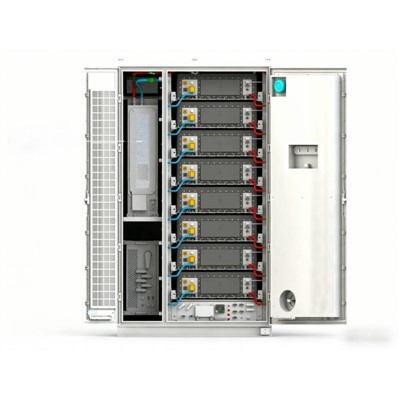
Let’s start by talking about what a grid-resilient system is. A grid-resilient system is designed to keep your home powered up even when the main power grid goes down. It typically consists of a combination of solar panels, a battery storage system, and an inverter. The solar panels generate electricity from the sun, which is then stored in the battery. The inverter converts the stored DC electricity into AC electricity, which can be used to power your home.
Now, let’s talk about home batteries. Home batteries are essentially large rechargeable batteries that can store electricity generated by your solar panels or from the grid. They come in different sizes and capacities, depending on your energy needs. The main advantage of using a home battery is that it allows you to store excess electricity generated during the day and use it at night or during a power outage. This means you can reduce your reliance on the grid and save money on your electricity bills.
So, how do home batteries and grid-resilient systems work together? Well, when the sun is shining, your solar panels generate electricity, which is used to power your home and charge your home battery. If you generate more electricity than you need, the excess electricity is stored in the battery. When the sun goes down or there is a power outage, the battery kicks in and provides power to your home. The inverter converts the DC electricity stored in the battery into AC electricity, which can be used to power your appliances and devices.
One of the main benefits of using a home battery with a grid-resilient system is increased energy independence. By storing excess electricity in your battery, you can reduce your reliance on the grid and ensure that your home has power even during a power outage. This is especially important in areas prone to natural disasters or where the grid is unreliable.
Another benefit is cost savings. By using a home battery, you can reduce your electricity bills by using the stored electricity instead of buying electricity from the grid. This is especially true if you have a time-of-use electricity tariff, where the cost of electricity is higher during peak hours. By using the stored electricity during peak hours, you can avoid paying the higher rates.
In addition to increased energy independence and cost savings, using a home battery with a grid-resilient system can also help to reduce your carbon footprint. By generating your own electricity from solar panels and storing it in a battery, you can reduce your reliance on fossil fuels and help to protect the environment.
Now, let’s talk about some of the things you need to consider when choosing a home battery for your grid-resilient system. The first thing you need to consider is the size and capacity of the battery. The size and capacity of the battery will depend on your energy needs and the size of your solar panel system. You want to make sure that the battery is large enough to store enough electricity to power your home during a power outage.
The second thing you need to consider is the type of battery. There are several different types of batteries available, including lead-acid, lithium-ion, and flow batteries. Each type of battery has its own advantages and disadvantages, so you need to choose the one that is best suited for your needs.
The third thing you need to consider is the cost of the battery. Home batteries can be expensive, so you need to make sure that you can afford the upfront cost. However, you also need to consider the long-term cost savings and the benefits of increased energy independence and reduced carbon footprint.
Finally, you need to consider the installation and maintenance of the battery. Home batteries need to be installed by a qualified professional, and they require regular maintenance to ensure that they are working properly. You need to make sure that you have the resources and the expertise to install and maintain the battery.
In conclusion, a home battery can definitely be used with a grid-resilient system. By using a home battery, you can increase your energy independence, save money on your electricity bills, and reduce your carbon footprint. However, you need to choose the right battery for your needs, consider the cost, and make sure that you have the resources and the expertise to install and maintain the battery.
If you’re interested in learning more about home batteries and grid-resilient systems, or if you’re ready to make the switch, please don’t hesitate to contact me. I’d be happy to answer any questions you have and help you find the right solution for your home.
Outdoor Battery Cabinet References:
- "Home Battery Storage: A Guide to Choosing the Right System." EnergySage.
- "Grid-Resilient Systems: How They Work and Why You Need One." Solar Power World.
- "The Benefits of Using a Home Battery with a Grid-Resilient System." Green Energy Times.
Tianjin Xilingke New Energy Technology Co., Ltd.
As one of the most professional home battery manufacturers and suppliers in China, we’re featured by quality products and low price. Please rest assured to wholesale durable home battery made in China here from our factory. For quotation, contact us now.
Address: Suite 2601, Tower B, Wanghai International, Haihe East Road, Hebei District, Tianjin, China.
E-mail: robin@sinelinkev.com
WebSite: https://www.sinelinkenergy.com/
