When considering the application of gearboxes in a marine environment, a multitude of factors come into play. As a gearbox supplier, I’ve witnessed firsthand the unique challenges and opportunities presented by this demanding setting. Gearbox

Understanding the Marine Environment
The marine environment is a harsh and unforgiving place. Saltwater, high humidity, and extreme temperature variations are just a few of the elements that can take a toll on equipment. Saltwater, in particular, is highly corrosive. It contains various salts and minerals that can cause rust and deterioration of metal components over time. This corrosion can weaken the structure of a gearbox, leading to premature failure and costly repairs.
High humidity levels in the marine environment can also contribute to corrosion. Moisture in the air can condense on the surface of the gearbox, creating an ideal environment for rust to form. Additionally, the constant exposure to water spray and splashes can further accelerate the corrosion process.
Temperature variations are another significant factor. In some regions, the temperature can fluctuate widely between day and night, as well as between seasons. These temperature changes can cause the materials in the gearbox to expand and contract, which can lead to stress and fatigue. Over time, this can result in cracks and other forms of damage.
Challenges for Gearboxes in the Marine Environment
One of the primary challenges for gearboxes in a marine environment is corrosion resistance. As mentioned earlier, saltwater is highly corrosive, and gearboxes need to be designed and constructed with materials that can withstand this corrosive environment. Stainless steel is a popular choice for marine gearboxes because of its excellent corrosion resistance. However, even stainless steel can be susceptible to corrosion under certain conditions, such as when exposed to high levels of chloride ions.
Another challenge is the need for reliable lubrication. In a marine environment, the lubricant in the gearbox needs to be able to withstand the harsh conditions and provide effective protection against wear and tear. The lubricant also needs to be able to resist water contamination, as water can cause the lubricant to break down and lose its effectiveness.
Sealing is also crucial in a marine gearbox. The gearbox needs to be sealed to prevent water and other contaminants from entering the internal components. A poor seal can allow water to seep into the gearbox, causing corrosion and damage to the gears and bearings.
Design Considerations for Marine Gearboxes
To overcome the challenges posed by the marine environment, gearboxes need to be designed with specific features in mind. One important design consideration is the use of corrosion-resistant materials. In addition to stainless steel, other materials such as bronze and aluminum can also be used in the construction of marine gearboxes. These materials offer good corrosion resistance and can be used in combination with each other to provide optimal performance.
Another design consideration is the use of a proper lubrication system. The lubrication system should be designed to provide continuous and effective lubrication to the gears and bearings. It should also be able to filter out contaminants and prevent water from entering the system.
Sealing is another critical design aspect. The gearbox should be equipped with high-quality seals that can prevent water and other contaminants from entering the internal components. The seals should be designed to withstand the harsh conditions of the marine environment and provide a reliable barrier against corrosion.
Applications of Gearboxes in the Marine Industry
Gearboxes are used in a wide range of applications in the marine industry. One of the most common applications is in propulsion systems. Marine vessels, such as ships and boats, rely on gearboxes to transfer power from the engine to the propeller. The gearbox allows the engine to operate at its optimal speed while providing the necessary torque to drive the propeller.
Gearboxes are also used in auxiliary systems on marine vessels. For example, they can be used in winches, cranes, and other equipment to provide the necessary power and control. In these applications, the gearbox needs to be able to handle high loads and provide precise control.
In addition to propulsion and auxiliary systems, gearboxes are also used in offshore oil and gas platforms. These platforms require reliable and efficient gearboxes to operate various equipment, such as pumps, compressors, and generators.
Benefits of Using Gearboxes in the Marine Environment
Despite the challenges, there are many benefits to using gearboxes in the marine environment. One of the main benefits is increased efficiency. Gearboxes allow the engine to operate at its optimal speed, which can result in significant fuel savings. This is especially important for large marine vessels, which consume a large amount of fuel.
Another benefit is improved reliability. A well-designed and properly maintained gearbox can provide reliable operation for many years. This reduces the risk of breakdowns and downtime, which can be costly for marine operators.
Gearboxes also provide precise control. They allow for the adjustment of speed and torque, which is essential for the safe and efficient operation of marine vessels. This control is particularly important in applications such as propulsion and winches, where precise control is required.
Our Expertise as a Gearbox Supplier
As a gearbox supplier, we have extensive experience in designing and manufacturing gearboxes for the marine environment. We understand the unique challenges and requirements of this industry and are committed to providing high-quality products that meet the needs of our customers.
Our gearboxes are designed using the latest technology and materials to ensure optimal performance and reliability. We use corrosion-resistant materials such as stainless steel and bronze to protect the gearbox from the harsh marine environment. Our lubrication systems are designed to provide continuous and effective lubrication, and our seals are designed to prevent water and other contaminants from entering the internal components.
We also offer a range of customization options to meet the specific needs of our customers. Whether you need a gearbox for a small boat or a large ship, we can design and manufacture a gearbox that meets your requirements.
Contact Us for Your Marine Gearbox Needs
If you are in the market for a gearbox for your marine application, we would be happy to discuss your needs with you. Our team of experts can provide you with detailed information about our products and services, and help you choose the right gearbox for your specific requirements.
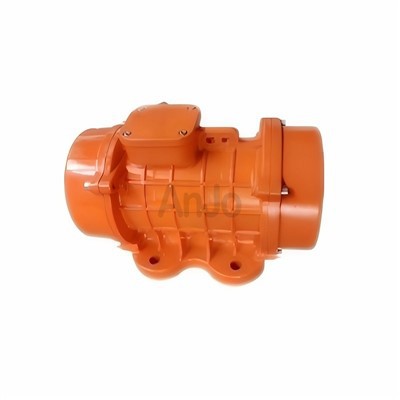
We are committed to providing our customers with the highest level of service and support. We offer comprehensive after-sales support, including maintenance and repair services, to ensure that your gearbox continues to operate at its best.
Small Gear Motor Don’t hesitate to contact us to discuss your marine gearbox needs. We look forward to working with you to provide you with the best gearbox solution for your application.
References
- Smith, J. (2018). Marine Gearbox Design and Operation. Marine Engineering Journal, 25(3), 45-52.
- Johnson, A. (2019). Corrosion Resistance of Materials in the Marine Environment. Journal of Marine Science and Technology, 32(2), 78-85.
- Brown, R. (2020). Lubrication Systems for Marine Gearboxes. Marine Lubrication Review, 15(4), 32-39.
Hangzhou ANG Drive Co., Ltd.
We’re well-known as one of the leading gearbox manufacturers and suppliers in China, also support custom service. Please feel free to wholesale high quality gearbox made in China here from our factory. Contact us for more details.
Address: No.185, Jincheng Rd., Hangzhou 311202, China
E-mail: export6@angdrive.com
WebSite: https://www.angdrive.com/
