Hey there! I’m a supplier of hot air furnaces, and today I wanna chat about one of the most crucial parts of these machines: the heat exchanger. You might be wondering, "What on earth does a heat exchanger do in a hot air furnace?" Well, stick around, and I’ll break it down for you. Hot Air Furnaces
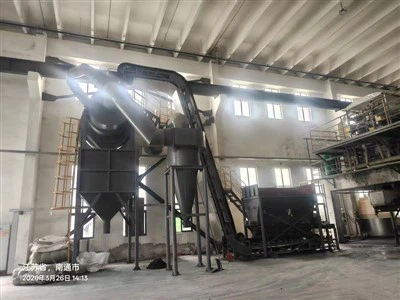
Let’s start with the basics. A hot air furnace is a device that heats air and then distributes it throughout a space, whether it’s a small room or a large industrial building. The heat exchanger is like the heart of this operation. Its main job is to transfer heat from the heat source to the air that will be circulated.
So, how does it work? Inside the furnace, there’s a combustion chamber where fuel (like natural gas, oil, or propane) is burned. This combustion process generates a whole lot of heat. The heat exchanger is placed in such a way that it can absorb this heat without letting the combustion gases mix with the air that’s going to be blown into the space.
Think of it as a barrier between the dirty, hot combustion gases and the clean air that you’ll be breathing. The heat exchanger has a series of tubes or passages. The hot combustion gases flow through one side of these tubes, while the air to be heated passes over the other side. Through the walls of the tubes, heat is transferred from the gases to the air. It’s like a silent exchange, where the heat moves from one place to another without any direct contact between the two substances.
One of the key functions of the heat exchanger is to ensure efficiency. In a well – designed heat exchanger, almost all of the heat generated by the combustion process is transferred to the air. This means that less fuel is wasted, and you get more bang for your buck. For us suppliers, it’s a big selling point. Customers are always looking for furnaces that can heat their spaces effectively while keeping energy costs down. And a good heat exchanger is the key to achieving that.
Another important aspect is safety. As I mentioned earlier, the heat exchanger keeps the combustion gases separate from the air that’s being circulated. These combustion gases can contain harmful substances like carbon monoxide, which is a colorless and odorless gas that can be deadly if inhaled in large amounts. A properly functioning heat exchanger acts as a safeguard, preventing these dangerous gases from entering the living or working space.
Now, let’s talk about the different types of heat exchangers used in hot air furnaces. There are mainly two types: plate – type and tube – type. Plate – type heat exchangers consist of a series of flat plates stacked together. The hot gases and the air flow between these plates, and heat is transferred through the plate surfaces. They’re often used in smaller furnaces because they’re compact and can provide a relatively large surface area for heat transfer in a small space.
Tube – type heat exchangers, on the other hand, are more common in larger industrial furnaces. They have a series of tubes through which the hot gases flow, and the air passes over the outside of the tubes. These tubes can be made of different materials, like steel or cast iron, depending on the application. Steel tubes are more common because they’re durable and can withstand high temperatures.
The performance of a heat exchanger can be affected by several factors. One of the most important is the material it’s made of. As I said, steel is a popular choice, but different grades of steel have different heat – transfer properties. Cast iron is also used in some cases because it has good heat – retention properties, but it’s heavier and more prone to cracking.
The design of the heat exchanger also plays a big role. A well – designed heat exchanger will have a large surface area for heat transfer, which allows for more efficient heat exchange. The shape and arrangement of the tubes or plates can also affect how the hot gases and the air flow through the exchanger, which in turn impacts its performance.
Maintenance is another crucial factor. Over time, the heat exchanger can get dirty or develop cracks. If it gets dirty, the heat transfer efficiency will decrease because the dirt acts as an insulator. Cracks are even more serious because they can allow the combustion gases to leak into the air stream, which is a major safety hazard. Regular maintenance, like cleaning and inspection, is essential to keep the heat exchanger working properly.
As a supplier of hot air furnaces, I always make sure to educate my customers about the importance of the heat exchanger. I tell them that it’s not just a part of the furnace; it’s the part that makes the furnace work efficiently and safely. When they understand this, they’re more likely to take good care of their furnaces and make the right choices when it comes to maintenance and replacement.
If you’re in the market for a hot air furnace, you need to pay close attention to the heat exchanger. Look for a furnace with a high – quality heat exchanger made of durable materials and a good design. And don’t forget about maintenance. A well – maintained heat exchanger will last longer and save you money in the long run.

So, if you’re interested in learning more about our hot air furnaces and the amazing heat exchangers they come with, I’d love to have a chat with you. Whether you’re a homeowner looking to heat your house or a business owner in need of an industrial – grade furnace, we’ve got the right solutions for you. Just reach out, and we can start a conversation about your heating needs.
Drying Equipment References:
- "Heating, Ventilation, and Air Conditioning: Analysis and Design" by William C. Turner
- "Industrial Furnaces: Principles, Construction, and Operation" by B. G. A. Veldpaus
Jiangsu Haike Environmental Tech Co., Ltd.
As one of the most professional hot air furnaces manufacturers and suppliers in China, we’re featured by quality products and good service. Please rest assured to wholesale customized hot air furnaces at competitive price from our factory. Contact us for quotation.
Address: No.1, Wei’er Branch Road, Shanggang Industrial Park, Jianhu County, Yancheng City, Jiangsu Province, China
E-mail: 17388487000@163.com
WebSite: https://www.jshkhbwm.com/
