Hey there! I’m a supplier of corrosion-resistant fans, and I’m stoked to share with you all the cool materials we use to make these bad boys. Corrosion-resistant fans are super important in a bunch of industries, like chemical processing, wastewater treatment, and food and beverage production. They gotta stand up to some pretty harsh environments, so picking the right materials is key. Corrosion Resistant Fans
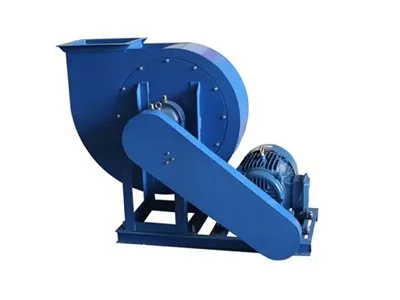
Fiberglass Reinforced Plastic (FRP)
One of the most common materials we use is fiberglass reinforced plastic, or FRP for short. FRP is a composite material made up of a plastic resin and glass fibers. The resin can be things like polyester, vinyl ester, or epoxy.
The glass fibers give FRP its strength, while the resin protects it from corrosion. It’s a great choice because it’s lightweight, easy to fabricate, and can handle a wide range of chemicals. You can find FRP fans in all sorts of shapes and sizes, from small exhaust fans to big industrial blowers.
I’ve seen FRP fans work wonders in chemical plants. They can resist the corrosive fumes and chemicals that are common in those places. And because they’re lightweight, they’re easier to install and maintain.
Polypropylene
Another material we use is polypropylene. It’s a thermoplastic polymer that’s known for its excellent chemical resistance. Polypropylene fans are great for applications where you’re dealing with acids, alkalis, and other corrosive substances.
One of the cool things about polypropylene is that it’s pretty tough. It can handle high temperatures and won’t crack or warp easily. It’s also resistant to UV rays, so it can be used outdoors without getting damaged.
We’ve supplied polypropylene fans to a lot of wastewater treatment plants. These fans have to deal with all sorts of nasty stuff in the water, but polypropylene stands up to the challenge. It keeps the air moving and helps prevent the growth of bacteria and other contaminants.
Stainless Steel
Stainless steel is a classic choice for corrosion-resistant fans. It’s strong, durable, and looks pretty good too. There are different grades of stainless steel, but the most common ones we use are 304 and 316.
Grade 304 stainless steel is a good all-around choice. It has a decent amount of chromium, which helps protect it from corrosion. It’s great for general-purpose applications where you’re not dealing with super harsh chemicals.
Grade 316 stainless steel, on the other hand, has a higher amount of molybdenum, which makes it even more resistant to corrosion. It’s often used in marine environments and in industries where there’s a lot of saltwater or other corrosive agents.
I remember a project where we installed stainless steel fans in a coastal factory. The salty air was really taking a toll on the equipment, but the stainless steel fans held up like champs. They kept running smoothly and didn’t show any signs of rust or corrosion.
PVC (Polyvinyl Chloride)
PVC is a widely used plastic that’s known for its affordability and versatility. It’s a good choice for corrosion-resistant fans in applications where you don’t need extreme chemical resistance.
PVC fans are easy to manufacture and can be made in different shapes and sizes. They’re also lightweight and have good insulation properties.
We’ve used PVC fans in some small-scale industrial applications, like in workshops and laboratories. They’re a cost-effective option for keeping the air clean and fresh.
Carbon Fiber
Carbon fiber is a high-performance material that’s becoming more popular in the fan industry. It’s incredibly strong and lightweight, and it has excellent corrosion resistance.
Carbon fiber fans are often used in high-end applications where you need a lot of power and efficiency. They’re also great for applications where weight is a concern, like in aerospace and automotive industries.
I’ve seen carbon fiber fans used in some high-tech manufacturing facilities. They can handle the high temperatures and corrosive chemicals that are common in those environments. And because they’re so lightweight, they can help reduce energy consumption.
Conclusion

So, there you have it! These are some of the main materials we use to make corrosion-resistant fans. Each material has its own unique properties and advantages, and the choice depends on the specific application and environment.
Dust Collection Fans If you’re in the market for corrosion-resistant fans, I’d love to have a chat with you. We can figure out which material is the best fit for your needs and get you the perfect fans for your project. Just reach out, and we’ll start the conversation.
References
- ASM Handbook Volume 13A: Corrosion: Fundamentals, Testing, and Protection
- Plastics Engineering Handbook of the Society of Plastics Engineers
Shandong Qiyue Fan Co., Ltd.
With abundant experience, we are one of the most reliable corrosion resistant fans manufacturers and suppliers in China. Please feel free to wholesale high quality corrosion resistant fans made in China here from our factory. We also accept customized orders.
Address: Dongchen Industrial Park, Zhoucun District, Zibo, Shandong, China
E-mail: sales@qiyuefan.com
WebSite: https://www.qiyuefan.com/
