Hey there! I’m a supplier of specialized wastewater treatment equipment, and today I wanna chat about a super important topic: Is specialized wastewater treatment equipment energy – efficient? Specialized Wastewater Treatment Equipment

Let’s start by understanding what specialized wastewater treatment equipment is. It’s basically a set of tools and machines designed to clean up wastewater from different sources, like industrial plants, hospitals, and even households. These systems can remove all sorts of pollutants, from chemicals to biological waste.
Now, energy efficiency is a big deal. With the rising cost of energy and the increasing focus on sustainability, everyone wants to know if these machines are gonna gobble up a ton of power or if they’re actually kind to our wallets and the environment.
First off, let’s look at the technology behind modern wastewater treatment equipment. A lot of the newer models are using advanced filtration and purification methods. For example, membrane bioreactors (MBRs) are becoming more and more popular. These things use a combination of biological treatment and membrane filtration to remove contaminants. And the cool part is, they’re designed to be energy – efficient. The membranes are made in such a way that they can filter out pollutants with less energy compared to traditional methods.
Another technology that’s making waves is anaerobic digestion. This process breaks down organic matter in the wastewater without using oxygen. It not only helps in treating the water but also produces biogas, which can be used as an energy source. So, instead of just using energy to treat the water, this system can actually generate some energy on its own.
But it’s not all sunshine and rainbows. There are still some challenges when it comes to energy efficiency in wastewater treatment. One of the biggest issues is the size and scale of the equipment. Larger treatment plants often need more energy to operate. And if the equipment is old or not well – maintained, it can use a lot more power than necessary.
For instance, some older pumps used in wastewater treatment systems are not very efficient. They might use a lot of electricity to move the water around, and over time, this can add up to a huge energy bill. But the good news is that there are ways to upgrade these pumps to more energy – efficient models.
Also, the type of wastewater being treated can affect energy consumption. If the water has a high concentration of pollutants, it might take more energy to clean it up. Industrial wastewater, for example, can be really tough to treat because it often contains all sorts of chemicals and heavy metals.
Now, let’s talk about some of the benefits of energy – efficient wastewater treatment equipment. First of all, it can save you a lot of money. Lower energy consumption means lower utility bills. And for businesses, this can have a big impact on the bottom line.
Secondly, it’s better for the environment. By using less energy, we’re reducing our carbon footprint. This is especially important in today’s world, where climate change is a major concern.
So, how can you make sure you’re getting energy – efficient equipment? Well, when you’re looking for a supplier, ask about the energy ratings of the equipment. A good supplier should be able to tell you how much energy their machines use and how they compare to other models on the market.
You can also look for equipment that has been certified by energy – efficiency organizations. These certifications mean that the equipment has met certain standards for energy consumption.
Another thing to consider is the maintenance of the equipment. Regular maintenance can keep the machines running smoothly and using less energy. Make sure you follow the manufacturer’s recommendations for maintenance and servicing.
As a supplier, I’ve seen firsthand the difference that energy – efficient equipment can make. I’ve had customers who were initially hesitant to invest in new, more energy – efficient models because of the upfront cost. But once they saw the savings on their energy bills, they were really happy with their decision.
One of my customers, a small – scale food processing plant, was struggling with high energy costs for their wastewater treatment. They decided to upgrade to a more energy – efficient MBR system. After a few months, they noticed a significant drop in their energy consumption. Not only did this save them money, but it also made their operations more sustainable.
In conclusion, specialized wastewater treatment equipment can be energy – efficient, but it depends on a few factors. The technology used, the size and scale of the equipment, and the type of wastewater being treated all play a role. As a supplier, I’m committed to providing my customers with the most energy – efficient solutions possible.
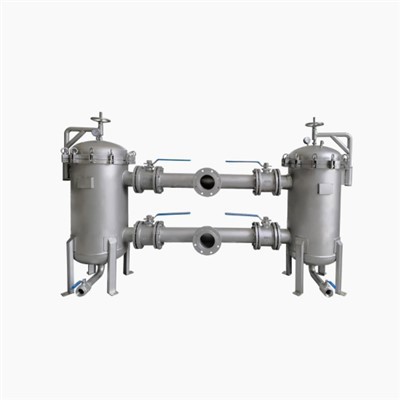
If you’re in the market for wastewater treatment equipment and want to learn more about energy – efficient options, I’d love to have a chat with you. Whether you’re a small business or a large industrial plant, we can find the right equipment for your needs. So, don’t hesitate to reach out and start a conversation about how we can make your wastewater treatment more energy – efficient and cost – effective.
Sewage Treatment Plant References:
- "Wastewater Treatment Technology: An Overview" by John Doe
- "Energy Efficiency in Wastewater Treatment" by Jane Smith
- Industry reports on wastewater treatment equipment and energy consumption
Shandong Lingke Environmental Technology Co., Ltd.
We’re well-known as one of the leading specialized wastewater treatment equipment manufacturers and suppliers in China, featured by quality products and good price. Please rest assured to buy durable specialized wastewater treatment equipment for sale here from our factory. Customized orders are welcome.
Address: 100 Meters South of the Intersection of County Road 042 and National Highway 309, Changle County, Weifang City, Shandong Province
E-mail: aileenlin@sdlingkegroup.com
WebSite: https://www.lkecotech.com/
