Hey there, if you’re anything like the thousands of small-business owners, warehouse managers, or even event planners I’ve talked to lately, you’ve probably been scrolling for bags that don’t let a little rain or a spilled soda ruin your whole day. One question I get nonstop as a laminated bag supplier is: “Are these things actually resistant to water splashes?” And honestly, I don’t blame you—because half the time, the bags you grab from the shelf end up sopping wet if you accidentally knock over a coffee cup, or if a sudden drizzle hits your delivery on the way to a client. Laminated Bag

I’m not here to give you that generic sales pitch that says “our bags are 100% waterproof!” Because here’s the thing: nothing’s really 100% when water’s involved. Waterproof vs. water-resistant is a real line, and a lot of suppliers blur that line to make a sale. But after 7 years messing with laminated materials, testing every batch in my workshop, and hearing what real customers deal with day to day, I can break this down straight—no fluff, no nonsense.
First, let’s talk about what makes a laminated bag in the first place. Regular plastic bags? They’re just one thin layer of polyethylene (PE) or polypropylene (PP), right? That’s why if you spill a single glass of water on them, it seeps through in 10 seconds flat. Laminated bags? We take two layers of that plastic and sandwich a thin film in between—usually a layer of ethylene vinyl alcohol (EVOH) or even a food-grade nylon, depending on what the customer needs. The whole point of the lamination is to create a barrier that water can’t get through easily. But wait, not all laminations are created equal. That’s where most people go wrong when they’re comparing bags online.
Let’s get specific about splashes, since that’s what you’re actually asking about—we’re not talking about full-on submersion in a pool, here. A splash is like a 2-second hit: a spilled soda, a cup of coffee tipping over on the way to a meeting, a sudden 10-second drizzle while you’re walking from your car to the office. What does that do to a laminated bag?
I test every new laminate recipe we get by spraying a steady stream of water from a spray bottle for 15 seconds, then flipping it inside out to see if any moisture got to the inside layer. Last month, a customer from a local catering company reached out because their old linen bags were getting ruined by splashed wine during cocktail hours. They tried a cheap laminated bag from a big-box supplier, and within 5 minutes of a single splash, the inside of the bag was damp enough to make their guest’s linen napkins smell musty by the end of the night. We sent them a sample of our 5-mil laminated polypropylene bags, and they texted me an hour later saying they spilled a whole water carafe on a stack of them at a banquet and nothing got wet. Why? Because the lamination bond was solid—there were no gaps or thin spots where water could seep through.
But here’s the catch: if the lamination is shoddy, that barrier doesn’t work. I’ve seen laminated bags where the layers were only glued together with a thin, cheap adhesive that starts to break down if you get even mild water on it. Or bags where the edges aren’t sealed properly—like if you fold the bag’s top and heat-seal it, but only do that halfway. That’s where a splash will sneak in through the seam. Last year, a customer who ran a small e-commerce shop for plant pots called me furious because their new laminated bags were letting water leak through during shipping when they accidentally put a wet plant in the box. Turns out, the supplier they went with was using “partial lamination”—meaning only the main sides were laminated, not the bottom gusset. So when the plant dripped water, it hit the unlaminated bottom and seeped through. That’s not a laminated bag failing—it’s a bad, lazy product being sold as one.
Now, let’s talk about what laminated bags CAN’T do. I get it—if you’re moving construction materials or chemicals, you need something that can hold up to being dumped in a puddle, and that’s gonna be a different type of bag, maybe a reinforced vinyl one, not standard laminated. Laminated bags are for splashes, not full submersion. For example, if you leave your laminated bag outside in a rainstorm for an hour, water will eventually soak through. But a splash—like a quick spill or a 2-minute drizzle? That’s exactly what they’re built for.
We also tailor our laminations to what the customer actually needs. If someone needs bags for packing takeout food that might get set in a puddle outside a restaurant door, we’ll do a food-grade lamination that’s extra thick, so grease and splashed soda don’t get through. If someone needs bags for storing hardware parts in a warehouse that might get splashed with cleaning water, we’ll use a PE lamination that’s tear-resistant too, so they don’t rip if they get a little rough handling.
I want to give you a real example from a customer of mine that made me really proud of what we do. A guy named Jake runs a small farm stand up in Oregon. He used to use regular paper bags, and by mid-morning, if it rained even a little, they’d be so soggy you could barely carry 2 apples in them. Last year, he switched to our 3-mil laminated poly bags for his tomato and berry sales. He told me last month that on a rainy Saturday, a customer knocked over a full iced coffee into his display bin, and not a single bag holding produce got wet. The paper ones next to them? All soaked through. That’s the exact scenario laminated bags are made for.
A lot of people also ask me about the difference between laminated and coated bags. Let’s clear that up, because that’s another confusion point. Coated bags are usually paper bags with a thin plastic spray on them—they’re cheaper, but that coating wears off after a few uses, and if you get a splash on the seam, it seeps right in. Laminated bags have those two layers fused together, so the barrier is way more consistent, especially on the seams and edges. That’s why they’re more expensive, but you get what you pay for—especially if you’re using them for work where a ruined bag means ruined product.
Now, I know you’re probably thinking: “Okay, so some laminated bags work for splashes, some don’t. How do I pick the right one?” As someone who’s been doing this for years, here’s my quick checklist when you’re shopping:
- Ask for the lamination thickness. Anything under 3 mil is thin—great for light use, but might not hold up to a big splash. 4-5 mil is the sweet spot for most everyday uses.
- Check the seam seals. Ask if the supplier uses heat sealing vs. adhesive sealing. Heat sealing is way more durable for water splashes, because there’s no glue to break down.
- Ask for a sample. Any good laminated bag supplier will send you a free sample so you can test it yourself. Splash a little water on it, let it sit for 10 minutes, and check the inside. If it’s damp, move on.
- Don’t fall for “100% waterproof” claims. If a supplier says that, run. No bag is 100% waterproof, but many are great at water splashes.
Let’s get back to your original question: “Are laminated bags resistant to water splashes?” The short, honest answer is: yes—if they’re made right. A cheap, poorly laminated bag from a big distributor will fail. A quality laminated bag from a reputable supplier (that’s me, by the way) will hold up perfectly to almost any splash you throw at it.
I know this isn’t the hard sell you were expecting, but I get a lot of repeat customers because I don’t lie about what our bags can do. Last quarter, a customer ordered 500 of our laminated bags for a trade show, and a week later emailed me to say they spilled a whole gallon of lemonade on their booth, and all the bags holding their marketing swag were completely dry. That’s the proof right there.
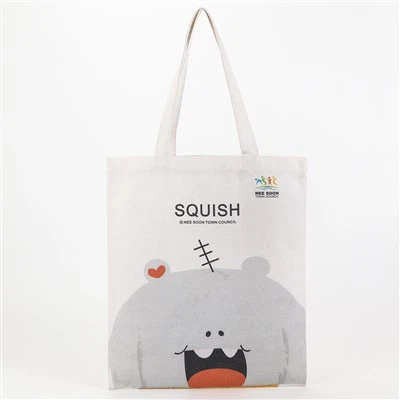
If you’re tired of bags that fall apart at the first sign of water, or you’re looking for bags that can handle the occasional coffee spill or drizzle without ruining whatever you’re putting inside, I’d love to chat. I can send you free samples, walk you through what lamination type works best for your specific use, and even adjust the design if you need something custom. No pressure, no weird sales tactics—just straight talk about what works for your business.
Non Woven Laminated Bag References:
- ASTM International. (2020). Standard Test Method for Water Resistance of Plastic Barrier Materials. ASTM D774-20.
- The Packaging Association. (2022). Guide to Flexible Laminated Packaging for Water Resistance. TPA Technical Bulletin 19-02.
- Food and Drug Administration. (2021). Food-Grade Laminated Film Specifications for Packaged Food. FDA 21 CFR Part 177.
Jiade (Wenzhou) Daily Necessities Co., Ltd.
As one of the most professional laminated bag manufacturers and suppliers in China, we’re featured by quality products and good price. Please rest assured to buy bulk discount laminated bag from our factory. We also accept customized orders.
Address: Building2,NO.1299,keji Road, Longgang City,Wenzhou City,Zhejiang Province,China.
E-mail: lhf@lianhaibag.com
WebSite: https://www.jiadebag.com/
