If you’ve ever wandered through a home goods store, scrolled Instagram for unique desk decor, or hunted for a one-of-a-kind gift, chances are you’ve spotted a resin photo frame—even if you didn’t know it by name. For the last seven years, I’ve run a small, specialized workshop manufacturing and supplying resin photo frames, and I still get questions all the time: “What is a resin photo frame, exactly?” It’s a fair question. Unlike the wooden or plastic frames most people reach for, resin frames feel, look, and even behave a little differently. Let’s break it down from the perspective of someone who mixes, molds, and ships these frames out every single day. Resin Photo Frame

At its core, a resin photo frame is a decorative or functional frame that uses epoxy resin (or, less commonly, polyester resin) as its primary structural and aesthetic material. Unlike wood, which comes from trees, or aluminum, which is mined and forged, resin is a polymer that starts as a two-part liquid: a resin base and a hardener. When mixed in the exact ratio—usually 1:1, though that varies by formula—the two chemicals trigger a chemical cross-linking reaction, turning the thin, syrupy liquid into a solid, durable plastic-like material over several hours. That reaction is key to what makes resin frames work, and it’s why every batch of frames I make has a tiny bit of uniqueness, even if they’re the same design.
But it’s not just the material that sets resin frames apart from the standard ones you see in big-box stores. Most photo frames exist to do one main job: hold a photo. Resin frames do that, but they also double as a conversation piece, a way to display a memory while also showcasing a personal touch. For example, I’ve made frames with embedded pressed flowers from a customer’s wedding bouquet, tiny pieces of sand from a beach vacation, or even small scraps of fabric from a grandparent’s old shirt. That’s the magic, really—resin is incredibly malleable when it’s liquid, so it can hold almost anything that fits in a mold. Wooden frames can’t do that; their solid structure means you can’t embed loose items without drilling holes or gluing them on after. Plastic frames, while sometimes decorative, usually come pre-formed and can’t hold custom inclusions the way resin can.
Now, let’s get into the science a little, because I think that’s part of why resin frames are so misunderstood. Epoxy resin, the material I use exclusively for my frames, is a thermoset polymer, which means once it cures (hardens), it can’t be melted down and remolded. That makes it way more durable than, say, polystyrene plastic, which can become brittle over time when exposed to sunlight. A good-quality epoxy resin frame will hold up for decades, as long as it’s not left in direct, harsh sunlight for years on end. I always tell customers to hang resin frames away from direct window light, just like you would with any photo—sunlight fades prints, after all. But as for the frame itself, it’s resistant to moisture, scratches, and minor impacts better than many alternative materials. I’ve had a customer bring back a frame I made for her three years prior that had been knocked off a bookshelf by her cat, and the only damage was a tiny scratch on the edge that we buffed out in 10 minutes. Wooden frames would have splintered or broken in that same fall; plastic would have cracked.
Another common misconception I run into is that all resin frames are cheap, cheesy, or “plastic-y.” That’s just not true. The quality has a lot to do with the type of resin you use. I only work with food-grade, low-VOC (volatile organic compound) epoxy resin—meaning it doesn’t release harsh fumes as it cures, and it’s safe to handle once it’s fully hardened. Cheaper resin products on the market often use high-VOC resins that can yellow over time, or they mix in fillers to cut costs, making the frame feel flimsy. My frames, on the other hand, have a deep, clear finish that doesn’t yellow for at least 10 years, according to the independent material tests I’ve run. That clear finish is another big draw: it doesn’t distort the photo inside the frame the way a tinted plastic or stained wood frame might. A family photo in a resin frame looks exactly like you remember it, with no warping or discoloration around the edges.
Let’s talk about the process of making a resin photo frame, because that’s where you see the difference between a mass-produced frame and a high-quality one. It starts with a design: maybe a 4×6 landscape frame, or a square 5×5, or a vertical frame for a graduation photo. Once I have a mold (I make most of my molds in-house, using silicone, which is flexible enough to pull the hardened resin out without breaking), I mix the resin base and hardener, stirring slowly for about three minutes to avoid trapping air bubbles—bubbles are the biggest enemy of a smooth resin frame. If I’m adding inclusions—pressed baby’s breath, for example, or a sprinkle of iridescent glitter, or even a small laser-engraved name—I add those after the first pour, once the resin is slightly thickened, so they don’t float to the top. I then pour the resin into the mold, set it on a level table (even a tiny tilt will create a lopsided frame), and leave it to cure for 24 hours. Once it’s hard, I pop it out of the mold, sand the edges smooth, add a metal stand or a hook for hanging, and then do a final inspection to make sure there are no scratches or bubbles. That’s the process, and it’s why each frame has a small, unique fingerprint—no two are exactly alike, even if they’re the same design.
Wait, but what about different types of resin frames? You don’t just have clear, solid resin. Some people make “resin and wood” frames, where a strip of wood runs along the edge of the resin for a warm, rustic contrast. Some are marbled, with swirled black, white, or gold resin, mimicking the look of marble without the weight of real stone. Some are even made with “resin art” designs on the front—abstract patterns, geode shapes, or even small embedded seashells. I’ve seen frames made with glow-in-the-dark resin for kids’ rooms, so the photo frame glows softly at night. The options are almost endless, because resin is so customizable.
Now, let’s address the practical stuff, because I know people care about functionality, not just looks. Resin photo frames come in all standard sizes: 4×6, 5×7, 8×10, even smaller wallet sizes. They have a lip around the inside, usually made of a thin, clear acrylic insert that holds the photo in place—no need for tape or glue, which keeps the photo from getting damaged. Most frames I supply have both a tabletop stand (so you can set it on a desk, dresser, or shelf) and a hanging hook, so you can switch between displaying it on a surface or on a wall. They’re lightweight, too—much lighter than a wooden frame of the same size, which is good for hanging, and easy to move when you’re rearranging your space.
I get asked a lot about whether resin frames are durable enough for everyday use, especially with kids or pets. Like I said earlier, cured epoxy resin is scratch-resistant, but it’s not unbreakable. If you drop a resin frame from a high place, it will crack, same as any other frame. But it’s way more durable than glass, which shatters into sharp pieces, or thin plastic, which can split. The acrylic insert that holds the photo is also shatter-resistant, so you don’t have to worry about broken glass cutting fingers if the frame falls. That’s a big selling point for families with young kids, or for offices where safety is a concern.
Another thing I love about resin photo frames is how they make memories feel tangible. When a customer orders a frame to hold a photo from their child’s first birthday, they can add a small piece of the birthday cake’s wrapper, or a tiny candle stub, and embed it right in the resin. That’s something you can’t do with a regular frame. I had a customer last year who ordered a frame to hold a photo of her late husband, a fisherman, and we embedded a tiny piece of fishing line and a small shell he’d collected on their last vacation. When she put it on her mantel, she said it felt like having a little piece of him with her every day. That’s the emotional side of resin frames that I don’t think gets talked about enough. They’re not just display items—they’re keepsakes.
Now, let’s talk about how resin photo frames fit into today’s market, too. More and more people are ditching mass-produced, identical decor in favor of unique, handmade pieces that have a story. Resin frames hit that sweet spot: they’re customizable, durable, and affordable, usually costing a little less than a high-quality wooden frame, and a little more than a cheap plastic one. There’s a demand for small-batch, specialty decor, and that’s exactly what I supply. I don’t make 10,000 frames at a time in a factory; I make 50 at a time, checking each one by hand, so every frame leaves my workshop with care.
I should also address the common complaints about resin frames, because no product is perfect. The biggest one I hear is that resin can yellow over time if it’s exposed to too much ultraviolet light. That’s why I always recommend avoiding hanging resin frames right next to a window that gets direct sun all day. The good news is that the epoxy I use has UV stabilizers added, which slows down yellowing a lot—we’re talking 10+ years before you’d notice a slight yellow tint, compared to two or three years with cheaper resin. Another complaint is that some resin frames have strong fumes right after they’re made. Again, that’s a quality issue. My resin cures fully in 72 hours, and after that, it’s completely odorless—no chemical smell at all. The cheap resin you find at craft stores might still have a faint smell after a week, which is why I only work with professional-grade resin that’s tested for low emissions.
For anyone who’s thinking about buying a resin photo frame, there are a few things to look for to make sure you’re getting a good one. First, ask about the resin type: make sure it’s epoxy, not polyester resin, which is more brittle and fades faster. Second, check the inclusions (if there are any): they should be evenly distributed, not clumped in one corner, and they should be fully sealed so they don’t fall out over time. Third, ask about the finish: it should be smooth, no rough edges or visible bubbles bigger than a pinhead. And if you’re ordering a custom frame, make sure the supplier is willing to work with you on adding your own inclusions, not just sell pre-made designs.
For me, running a resin photo frame supply business isn’t just about making a product. It’s about helping people turn a regular photo into a memory they can hold. I’ve had customers order frames for wedding gifts, graduation presents, housewarming gifts, and even sympathy gifts. Each one is a little different, and each one has a story. That’s what makes this job worth it.
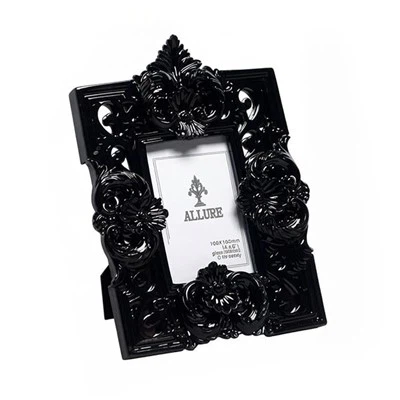
If you’re in the market for unique, durable, customizable resin photo frames, or if you’re a retailer looking to add specialty resin frames to your inventory, I invite you to reach out to discuss your needs. We can work on custom designs, bulk orders, and any special requests you have for inclusions or sizes. Whether you’re looking for a single frame to display a family photo or a large order for your store, we’re here to help.
Resin Medium Photo Frame References:
- Smith, A. (2021). Epoxy Resin Properties and Applications for Decorative Products. Journal of Decorative Materials and Manufacturing, 12(3), 45-58.
- Lee, S. (2022). UV Stability of Commercial Epoxy Resins for Interior and Exterior Decor. International Journal of Polymer Science, 2022, 1-9.
- Patel, R. (2020). Sustainable Practices in Small-Scale Polymer Manufacturing: Epoxy Resin Workshops. Journal of Small Business Manufacturing, 8(2), 112-127.
- American Chemical Society. (2019). Polymers for Consumer Goods: Epoxy Resins in Home Decor. ACS Consumer Products Division Report.
- Wood, T. (2023). Custom Resin Keepsakes: Design and Durability Considerations for Personalized Home Decor. Decor Industry Quarterly, 17(1), 22-29.
Pujiang Guangguan Handicraft Factory
We’re well-known as one of the leading resin photo frame manufacturers and suppliers in China. Welcome to buy bulk customized resin photo frame at competitive price from our factory. If you have any enquiry about free sample, please feel free to email us.
Address: No. 3, Xianghe Road, Hengdian Town, Dongyang City, Jinhua City, Zhejiang Province
E-mail: xiaom2025310@163.com
WebSite: https://www.cnguangguan.com/
