If you’ve ever stood in a factory warehouse surrounded by pallet after pallet of raw materials, the kind that aren’t flashy but make every big consumer product work, you know soaps aren’t just lard and lye. As the owner of an inorganic acids and bases supplier, I talk to soap manufacturers every week who brush off the raw materials as “no-brainers” until they run into a batch that won’t lather, smells off, or doesn’t saponify right. That’s where the inorganic bases come in—they’re the unsung workhorses of soap making, and picking the right one isn’t just a choice for chemists; it’s what keeps production on schedule and product quality consistent. Inorganic Acids & Bases
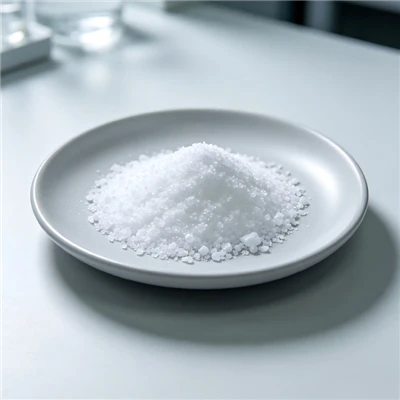
Let’s start with the base everyone’s heard of: sodium hydroxide, or caustic soda. You might know it as drain cleaner, but in soap making, it’s the staple for hard bar soaps. For context, saponification is the chemical reaction where a fat or oil (triglycerides) reacts with a strong base to produce soap (fatty acid salts) and glycerol. Sodium hydroxide is perfect for this because it’s a strong alkali, meaning it deprotonates the fatty acids in oils quickly and completely, without leaving excess base that would make a bar too harsh. I’ve had a small craft soap maker come to me last month who was importing a lower-grade sodium hydroxide from a overseas supplier, only to end up with 200 bars of soap that had a gritty, uneven texture. Turns out, their batch had too much sodium chloride (salt) as an impurity, which reacted mid-batch to create those gritty spots. When they switched to the food-grade sodium hydroxide I supply—tested for purity, less than 0.5% salt—their next batch turned out smooth, and they doubled their order.
Most large-scale commercial soap producers use flaked or pelleted sodium hydroxide, not the liquid form, because it’s easier to measure and handle in industrial mixing tanks. Liquid sodium hydroxide is sometimes used for liquid soap, but we’ll get to that. For hard bar soaps, the ratio of sodium hydroxide to oil is critical—too little, and the soap won’t saponify fully, leaving excess oil that makes it soft; too much, and you have to wait longer for the “cure” phase (where excess base neutralizes with air’s carbon dioxide) before the soap is safe to use. I work with a mid-sized detergent maker that runs three shifts a day, and they test every drum of sodium hydroxide we deliver for purity with a titration test before it hits the mixing vats. That’s the kind of consistency only comes from a reliable inorganic base supplier, not a fly-by-night bulk distributor.
Next up is potassium hydroxide, another key inorganic base, and the go-to for soft, liquid soaps. Unlike sodium hydroxide, which forms solid salts, potassium hydroxide reacts with fats to make softer, more soluble fatty acid salts that dissolve easily in water. That’s why liquid hand soaps, dish soaps, and even liquid laundry soaps use potassium hydroxide as their primary base. I remember when a local restaurant supply client came to me a year ago, trying to make their own bulk hand soap for their staff, and was using cheap lye from a hardware store. Their soap was too thin, ran out of dispensers too fast, and had a faint metallic smell. When we switched them to purified, USP-grade potassium hydroxide, they adjusted their oil ratio slightly, and the soap thickened perfectly, smelled neutral, and didn’t clog their dispensers. They’ve been ordering 55-gallon drums every month since.
Potassium hydroxide also comes in liquid and flaked forms, but liquid is more common for liquid soap production because it mixes more evenly with water and oils without needing extra processing. Some manufacturers blend small amounts of sodium hydroxide and potassium hydroxide for bar soaps, too—usually to adjust the hardness or lather, though pure sodium hydroxide is still standard for most hard bars. It’s worth noting that both sodium and potassium hydroxide are corrosive, so we supply them in packaging that’s chemical-resistant, with clear handling guidelines for soap makers. We even provide free training sheets for small-scale operations that might not have a full chemistry staff on hand.
Another inorganic base that’s sometimes overlooked in soap making is sodium carbonate, also called soda ash. You might associate soda ash with glass making, but it plays a small but important role in soap production, especially in soaps meant for alkaline cleaning, like heavy-duty laundry soaps or dish soaps. Sodium carbonate is a milder alkali than sodium or potassium hydroxide, so it’s often used as a pH adjuster, not a primary saponification base. Soap makers add it after saponification to tweak the pH level—most soap should have a pH between 9 and 10, which is mild enough for skin but still effective at cutting grease. If a batch from sodium hydroxide alone ends up with a pH that’s too high (over 11), adding a small amount of sodium carbonate lowers the pH to a safe range, without interfering with the soap’s lather or texture. I supply soda ash to a few industrial laundry soap manufacturers who add it to every batch as a quality control step to keep their product within regulatory pH limits. There’s also potassium carbonate, a less common alternative, used in specialty soaps where a slightly different solubility profile is needed, like liquid soaps for high-water-pressure cleaning.
Wait—let’s talk about the base that’s actually banned in most consumer soap, but worth mentioning for industrial cleaning soaps: ammonium hydroxide. It’s a strong alkali, cheaper than sodium or potassium hydroxide, and dissolves easily in water, making it tempting for bulk industrial cleaners. But here’s the catch: ammonium hydroxide releases ammonia gas when mixed with oils or heated, which is toxic and creates a strong, unpleasant smell. The FDA and EPA restrict its use in consumer soaps because of the fumes and potential skin irritation, so it’s mostly used in open-air industrial cleaning applications where ventilation is excellent. I rarely stock ammonium hydroxide for soap makers, because most of my clients want compliant, safe products for retail, but I do have it on hand for a few specialty industrial clients who need it for non-consumer cleaning lines.
Now, a question I get all the time: why not use organic bases? Some small craft soap makers try things like triethanolamine (TEA), an organic alkali, to replace inorganic bases, but there are big downsides. Inorganic bases like sodium and potassium hydroxide are much cheaper, easier to test for purity, and the saponification reaction is far more predictable. Organic bases can leave residual chemicals in the soap, and they’re harder to source in large, consistent quantities for industrial production. I’ve had craft makers come to me after a batch of TEA soap was pulled from shelves because it didn’t meet FDA labeling requirements for residual chemicals, and now they’re back to using inorganic bases from our stock, which are fully compliant and tested every batch.
As an inorganic acids and bases supplier, I’ve seen how even small variations in these bases can derail an entire production run. Last quarter, a large chain soap maker had a batch of liquid soap that was too runny, and when they tested the potassium hydroxide we’d supplied, it was 2% lower in purity than our standard USP grade. Turned out, a delivery had been mislabeled at the warehouse (my team caught the mistake, corrected it, and reimbursed them for the waste, but it drove home how critical quality control is). That’s why we test every drum of sodium hydroxide, potassium hydroxide, and sodium carbonate with two independent tests—titration and atomic absorption—to check for impurities like heavy metals, salt, and moisture. We also label every batch with a COA (Certificate of Analysis) that’s accepted by the FDA, EU REACH, and other global regulatory bodies, because our clients make products sold worldwide.
Another point: sustainability. I know a lot of soap makers care about eco-friendly products, and they often ask if our inorganic bases are produced in a way that’s better for the environment. Sodium hydroxide is made via the chlor-alkali process, and many modern facilities now use renewable energy to power that process, reducing carbon emissions. We’ve partnered with a few manufacturers that offer low-carbon sodium hydroxide and potassium hydroxide, which is perfect for soap brands marketing themselves as “green” or sustainable. Sodium carbonate is often made from natural trona ore, a mineral mined in the US, which has a lower carbon footprint than synthetic production. We make sure to inform clients of these options, because sustainability isn’t just a buzzword for our clients—it’s what their customers expect.
Let’s wrap this up, because I know the practical stuff is what matters most. For anyone making soap, the takeaway is: sodium hydroxide is your workhorse for hard bar soaps, potassium hydroxide is for liquid soaps, sodium carbonate is your go-to pH adjuster, and stick to USP or food-grade purity for consumer products to avoid quality issues. If you’re a small craft maker, don’t skip testing the purity of your base—save yourself the headache of bad batches. If you’re an industrial producer, work with a supplier that provides COAs and consistent, compliant products, not just cheap bulk material.
If you’re a soap maker, whether you’re running a 100-bar-a-day craft operation or a multi-million gallon industrial plant, and you’re looking for reliable, high-quality inorganic bases, we’re here to help. We don’t just ship drums and call it a day—we answer questions, provide testing support, and adjust our products to meet your specific production needs. Don’t let inconsistent raw materials slow down your output or ruin your product’s reputation. Reach out to us to discuss your exact requirements, and we’ll get you the right inorganic bases for your soap line.
Inorganic Acids & Bases References
- O’Lenick, A. J. (2002). Saponification: Chemistry and Practice in Soap Manufacturing. Cosmetics & Toiletries, 117(8), 59-66.
- United States Food and Drug Administration. (2021). Inactive Ingredients in Topical Drug Products: Alkalis. Federal Register, 86(11), 4129-4135.
- Kirk-Othmer Encyclopedia of Chemical Technology. (2019). Caustic Soda and Potash. John Wiley & Sons.
- Environmental Protection Agency. (2020). Industrial Cleaning Product Ingredients: Alkali Surfactant Combinations. EPA Office of Pollution Prevention and Toxics.
Shanghai Dingwujin Chemical Co., Ltd.
Shanghai Dingwujin Chemical Co., Ltd. is one of the most professional inorganic acids & bases suppliers in China. We cooperate with qualified Chinese manufacturers and provide high quality customized service. With over a decade of experience in local chemical trade, we have long been deeply engaged in the markets of EU Central & Eastern Europe, the Western Balkans, Ukraine and Moldova. Welcome to buy bulk high quality inorganic acids & bases made in China here from our company.
Address: No. 12, Lane 199, Yefan Road, Yexie Town, Songjiang District, Shanghai, P.R.China
E-mail: dwjchem@dwjchem.com
WebSite: https://www.7dchem.com/
