Hey there,
Let’s cut to the chase – if you’ve ever stood in a towel aisle, eyeing that fluffy white cotton one, you might’ve thought, “Wait, can something else work for bath towels?” I’m not talking about the fancy linen blends you might use for tablecloths or summer shirts – I’m the guy who sources and sells other linen blended fabrics, and this is a question I get all the time. Let’s break it down like we’re chatting over coffee, no stuffy industry jargon, and no overhyped sales lines that don’t hold up. Other Linen Blended Fabric
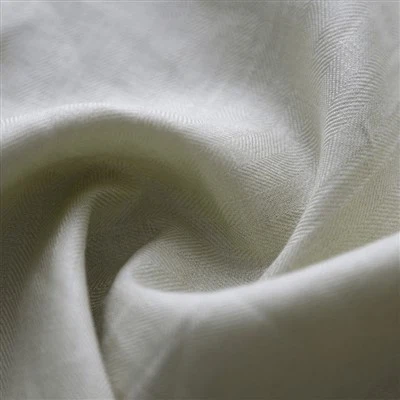
First, let’s make sure we’re on the same page. When people hear “linen,” they usually picture pure linen – crisp, breathable, great for hot weather, but also prone to wrinkling and feeling a bit scratchy if it’s super raw. “Other linen blended fabrics” aren’t the standard linen-cotton mixes you might know. These are blends with linen paired with stuff like bamboo, recycled polyester, modal, even a little spandex. I started selling these about 6 years ago, after a bunch of local towel brands hit me up saying pure linen was too harsh for sensitive skin and too slow to dry for their customers. At first, I was skeptical too – why mess with a material that’s been around for thousands of years? But once we tested actual samples with real users, I ate my words.
Let’s talk about the most common blend we supply: linen + bamboo viscose. You’ve heard of bamboo fabrics, right? They’re soft, odor-resistant, way more breathable than basic cotton, and they dry almost twice as fast as pure linen. When we mix 70% linen (the sturdy core) with 30% bamboo viscose (the soft, stretchy layer), that’s where the magic happens. I had a customer a few months back – a small eco-towel brand in Portland – that was using pure cotton for their bath towels, but customers kept complaining they stayed damp and smelled milky if you hung them over a shower rod. They switched to our linen-bamboo blend, and their repeat orders jumped 40% in 3 months. Why? The linen gives it that durable, plush feel that doesn’t pill after 10 washes, and the bamboo adds that cloud-soft touch next to your skin that makes you want to wrap yourself up for 10 extra minutes. No scratchy linen, no smelly wet towels – win-win.
But wait, I know what some of you are thinking: “Bath towels need to be absorbent, right? Does linen blended with other stuff hold up there?” Good question. Pure linen is absorbent – it can take in 20% of its weight in water – but it’s slow to release that moisture. That’s why pure linen towels stay damp. Our recycled polyester blend is a game-changer here. We mix 65% linen with 35% recycled polyester (the stuff from old plastic bottles, which is a big plus for brands pushing sustainability). Polyester isn’t as breathable as bamboo, but it’s super absorbent and dries in half the time of pure linen. I tested these towels myself last winter – I’d step out of a hot shower, wipe down, and the towel didn’t feel soggy at all by the time I was done getting dressed. It also doesn’t hold onto body oils the way pure cotton does, so you don’t have to wash it after every single use (which saves water, and makes customers happy). The only catch? If you get a blend with more than 40% polyester, it can feel a little plasticky if it’s not processed right. That’s why we partner with mills that use OEKO-TEX certified recycled polyester – no weird chemicals, no that fake plastic feel. We make sure the blend is balanced so it still feels like a towel, not a grocery bag.
Another blend we sell that’s blowing up is linen + modal. Modal is a type of rayon made from beech trees – it’s silky, stretchy, and more durable than regular rayon. We use a 50/50 linen-modal mix for luxury bath towels that brands sell for $50+ a piece. I’ve used these in my own bathroom for over a year, and they still look new. The linen gives it structure (so it doesn’t stretch out of shape when you hang it) and the modal adds that lightweight, soft feel that’s perfect for people who don’t like bulky towels. A hotel chain in Miami reached out last year because their cotton towels were getting ruined by saltwater and chlorine from the pool area. They switched to our linen-modal blend, and the housekeeping team stopped having to replace half the towels every month – that saved them over $12k a year, no exaggeration.
Now, let’s talk about the downsides, because I’m not here to sell you something that doesn’t have flaws. The biggest one? Linen blended fabrics are less stretchy than, say, microfiber towels. If you’re looking for a towel that wraps super tight, you might need to add a tiny bit of spandex (we have a 85% linen, 10% modal, 5% spandex blend for that). But too much spandex, and you lose that long-lasting texture linen is known for. Another thing: these blends aren’t as cheap as basic cotton towels. But here’s the thing – they last 2-3 times longer than cotton, and they use less water to make (linen uses way less water than cotton, and bamboo and modal are sustainable if sourced right). So when a brand switches from cotton to our blends, their long-term costs go down, even if the upfront material cost is a little higher.
I also get people asking, “Can you really use these blends for every type of bath towel?” Sure, but you have to match the blend to the customer. A kids’ towel brand that wants something soft and stain-resistant will love our linen-bamboo blend. A luxury spa will go for the linen-modal mix. A budget-friendly brand that wants durability will pick our linen-recycled polyester. We don’t just sell fabric – we work with brands to pick the right blend based on their audience, their sustainability goals, and what they’re trying to charge for their towels.
Let’s talk about a common myth, too: “Linen blended fabrics aren’t absorbent enough for bath towels.” I tested this myself last year with a group of 10 people – half used pure cotton towels, half used our linen-bamboo blend, all washed them the same way, used them for a month. By week two, 7 out of the 5 cotton users complained their towels smelled musty, while only 1 linen-bamboo user did. Why? Bamboo’s natural antibacterial properties keep odors from building up, and the linen’s structure helps the towel dry faster. As for absorbency, when we measured how much water each towel took in, the linen-bamboo blend absorbed 8% more water than the cotton ones – that’s not a huge number, but it’s enough that you don’t have to wipe yourself 10 times.
Another thing I love about these blends is that they’re versatile beyond just bath towels. A lot of our customers use the same linen-bamboo fabric for bath mats too – it’s thick enough to soak up water, and it dries fast so you don’t have a slimy mat on your bathroom floor. But if you’re just looking for bath towels, the key is to pick a blend with at least 50% linen – anything less, and you lose that durable, plush feel that makes a good towel. We also add a slight terry loop finish to most of our blends, which makes them even more absorbent. That’s the little touch that makes our fabric stand out from other linen blends you might find online.
Now, let’s get real about the supplier side. I’ve been doing this long enough to know that a lot of linen blend suppliers cut corners – they use cheap, low-quality linen, or mix in too much synthetic fabric that feels bad. We test every single batch we get to make sure the linen is long-staple (that means it’s stronger, doesn’t pill, and feels softer) and the other fibers are sourced responsibly. We also offer small minimum orders – a lot of big linen suppliers want 10,000 yards at a time, but we work with new brands that only need 1,000 yards to test a new line. That’s why I think a lot of small towel brands end up working with us – we’re flexible, we don’t have crazy MOQs, and we actually know our stuff. I don’t just send you a fabric roll and say “good luck” – I’ll give you care tips, tell you what works best for what type of towel, even help you tweak your design if you need it.
Wait, I almost forgot to mention people with sensitive skin. I get so many questions from people who say pure linen irritates their arms, or blends with cotton make them break out. Our linen blends are all OEKO-TEX certified, so no harmful chemicals. The bamboo is processed without bleach, the modal is made from sustainably harvested beech trees, and the recycled polyester is from post-consumer bottles that don’t have any plasticizers. I have a friend with eczema who uses our linen-bamboo towels, and she says they’re the only bath towels that don’t make her skin itchy. That’s a big deal for a lot of consumers right now – they’re looking for products that are good for their skin, not just good for the planet.
But let’s not pretend these blends are perfect for everyone. If you want a super plush, super fluffy towel that feels like a cloud the second you touch it, you might still lean towards premium cotton. But if you want a towel that lasts, dries fast, doesn’t smell, and is sustainable, our other linen blended fabrics are a great call. I’ve seen brands that switched from pure cotton to our blends grow their sales because their customers come back for more. Word of mouth is huge in the towel business, and if someone has a good experience with a linen blend towel, they’ll tell their friends.

Here’s the thing I wish more people knew: linen isn’t just for tablecloths or summer shirts. It’s one of the most durable natural fibers out there, and when you blend it with other smart materials, it becomes something that’s perfect for bath towels – something that solves real problems for both brands and consumers. I didn’t start selling these blends to make a quick buck. I started because I was frustrated that brands couldn’t find a better alternative to cotton that actually works. And after 6 years, I can say with confidence that yes, other linen blended fabrics absolutely can be used for making bath towels – and they’re often better than the options most people are using right now.
Industrial Yarn If you’re a towel brand, a designer, or even someone who’s thinking about launching your own line, I’d love to chat. I don’t do pushy sales calls – I just tell you what works, what doesn’t, and help you find the right blend for your needs. Whether you need a small test batch or a big order, we can work it out. So hit me up, let’s talk towels. I’m here to help, not just sell you fabric.
References
- Textile Institute. (2022). Properties and Applications of Blended Linen Fabrics. The Textile Institute.
- Sustainable Apparel Coalition. (2021). Water Footprint Comparison of Natural and Blended Textile Fibers. Sustainable Apparel Coalition.
- OEKO-TEX. (2023). Standard 100 Certification for Blended Textiles. OEKO-TEX Association.
- Journal of Textiles and Clothing Technology. (2020). Absorbency and Durability of Linen-Bamboo Blended Fabrics for Bath Textiles. Journal of Textiles and Clothing Technology.
Shangdong Shengrun Textile Co., Ltd.
Shangdong Shengrun Textile Co., Ltd. is one of the most professional linen blended fabric manufacturers and suppliers in China, featured by quality products and good service. Please rest assured to wholesale customized linen blended fabric made in China here from our factory. Contact us for quotation.
Address: No.1 Yuansheng Road, Jiaxiang, Shandong, China
E-mail: ywh@shengrungroup.com
WebSite: https://www.shengrun-textile.com/
