As a supplier of Bridge Machining Center Machines, I am often asked about the surface finish quality these machines can achieve. In this blog, I will delve into the factors that influence the surface finish quality, the standards and specifications, and the techniques to optimize it. Bridge Machining Center Machine
Factors Affecting Surface Finish Quality
The surface finish quality of a Bridge Machining Center Machine is influenced by several factors, including the machine’s design, the cutting tools used, the machining parameters, and the material being machined.
Machine Design
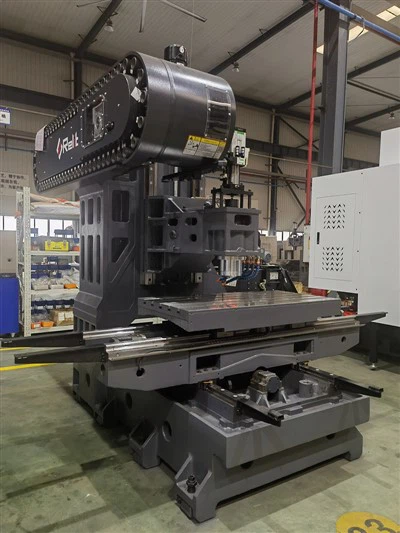
The design of the Bridge Machining Center Machine plays a crucial role in determining the surface finish quality. A well-designed machine with high rigidity and precision can minimize vibrations and ensure stable machining operations. The bridge structure provides a stable platform for the machining head, allowing for accurate and consistent cutting. Additionally, the machine’s control system should be capable of precise positioning and speed control to achieve the desired surface finish.
Cutting Tools
The choice of cutting tools is another important factor in achieving high surface finish quality. Different types of cutting tools are available, each with its own characteristics and applications. For example, carbide cutting tools are known for their high hardness and wear resistance, making them suitable for machining hard materials. High-speed steel (HSS) cutting tools, on the other hand, are more flexible and can be used for a wider range of materials. The geometry of the cutting tool, such as the rake angle, clearance angle, and cutting edge radius, also affects the surface finish. A sharp cutting edge and proper tool geometry can reduce the cutting forces and minimize the formation of burrs and surface defects.
Machining Parameters
The machining parameters, including the cutting speed, feed rate, and depth of cut, have a significant impact on the surface finish quality. The cutting speed refers to the speed at which the cutting tool moves relative to the workpiece. A higher cutting speed generally results in a better surface finish, but it also increases the cutting forces and the risk of tool wear. The feed rate is the distance the cutting tool moves per revolution or per tooth. A lower feed rate can improve the surface finish, but it also increases the machining time. The depth of cut is the thickness of the material removed in each pass. A smaller depth of cut can reduce the cutting forces and improve the surface finish, but it also requires more passes to complete the machining operation.
Material Being Machined
The material being machined also affects the surface finish quality. Different materials have different properties, such as hardness, ductility, and machinability. For example, soft materials like aluminum and brass are relatively easy to machine and can achieve a good surface finish. Hard materials like steel and titanium, on the other hand, require more advanced cutting tools and machining techniques to achieve a high surface finish. The microstructure of the material, such as the grain size and orientation, can also affect the surface finish.
Standards and Specifications
The surface finish quality is typically measured using a surface roughness parameter, such as Ra (arithmetical mean deviation of the profile) or Rz (maximum height of the profile). These parameters provide a quantitative measure of the surface irregularities and are used to specify the surface finish requirements. The International Organization for Standardization (ISO) has established a set of standards for surface roughness, which are widely used in the manufacturing industry.
In addition to the surface roughness parameters, other factors such as surface waviness, flatness, and parallelism may also be specified depending on the application. For example, in the aerospace industry, tight tolerances are often required for components to ensure proper fit and function.
Techniques to Optimize Surface Finish Quality
To achieve the desired surface finish quality, several techniques can be employed.
Tool Path Optimization
The tool path is the path followed by the cutting tool during the machining operation. By optimizing the tool path, the cutting forces can be reduced, and the surface finish can be improved. For example, using a constant chip thickness strategy can ensure a more consistent cutting load and reduce the formation of surface defects. Additionally, using a smooth tool path with minimal sharp corners can reduce the cutting forces and improve the surface finish.
Coolant and Lubrication
The use of coolant and lubrication can also improve the surface finish quality. Coolant helps to reduce the cutting temperature, which can prevent tool wear and improve the surface finish. Lubrication reduces the friction between the cutting tool and the workpiece, which can also improve the surface finish. The type of coolant and lubrication used depends on the material being machined and the machining operation.
Post-Machining Processes
Post-machining processes, such as polishing and grinding, can be used to further improve the surface finish quality. Polishing involves using abrasive materials to remove the surface irregularities and achieve a smooth surface. Grinding is a more precise process that can be used to achieve a very high surface finish. However, these processes add additional time and cost to the machining operation.
Conclusion
In conclusion, the surface finish quality that a Bridge Machining Center Machine can achieve depends on several factors, including the machine’s design, the cutting tools used, the machining parameters, and the material being machined. By understanding these factors and employing the appropriate techniques, it is possible to achieve a high surface finish quality.
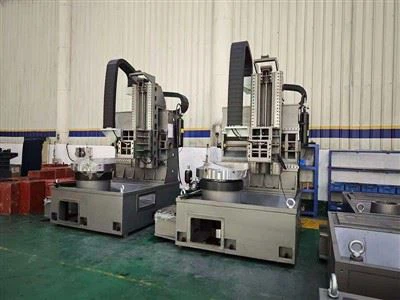
Vertical Lathe As a supplier of Bridge Machining Center Machines, we are committed to providing our customers with high-quality machines and technical support to help them achieve the best possible surface finish quality. If you are interested in learning more about our products or have any questions about surface finish quality, please feel free to contact us. We look forward to discussing your specific requirements and helping you find the right solution for your machining needs.
References
- ISO 4287:1997 Geometrical Product Specifications (GPS) – Surface texture: Profile method – Terms, definitions and surface texture parameters.
- ISO 1302:2002 Geometrical Product Specifications (GPS) – Indication of surface texture in technical product documentation.
- Machining Handbook, 31st Edition, Industrial Press Inc.
Smartech Machinery & Equipment Co., Ltd.
As one of the most professional bridge machining center machine manufacturers and suppliers in China, we also support customized service. Please rest assured to buy bulk bridge machining center machine made in China here from our factory. Contact us for more details.
Address: Room 2832, Changping Commercial Mansion, Shihua Road, Futian Free Trade Zone, Shenzhen, China
E-mail: smartech@smartechcnc.cn
WebSite: https://www.smartech-cnc.com/
